
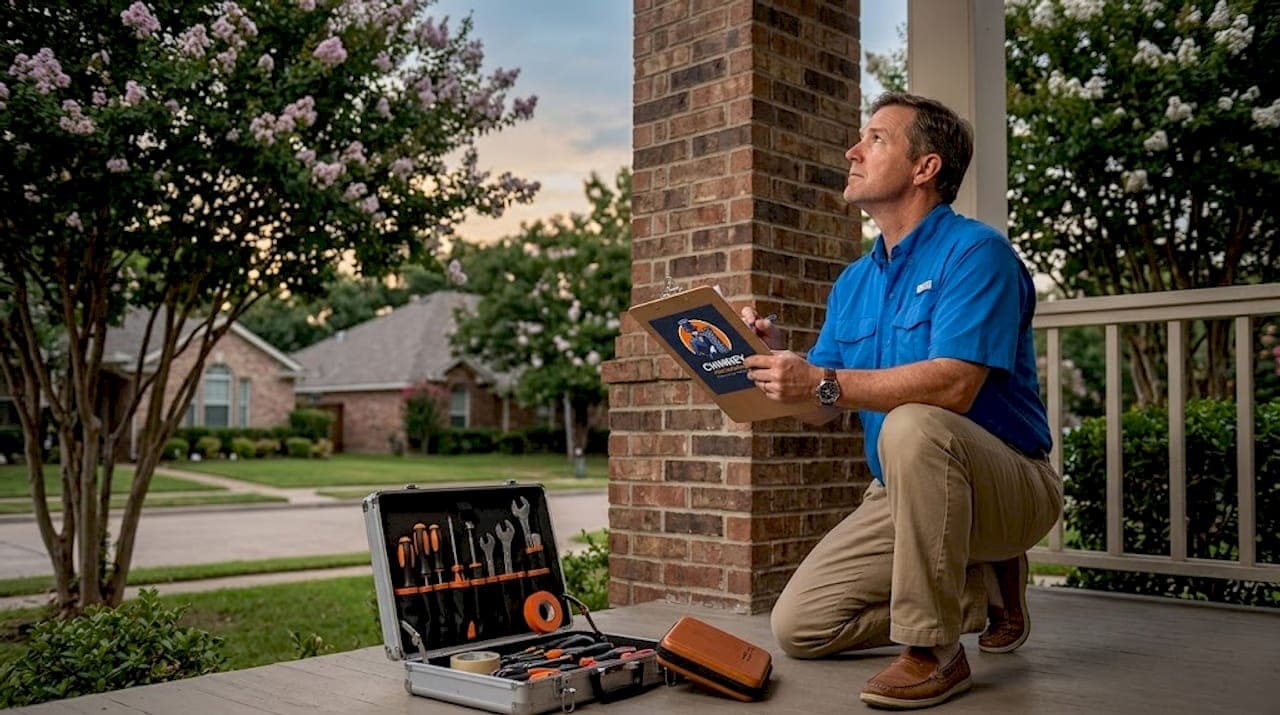
Knowing your DFW home chimney repair priorities can be the difference between a safe, functional fireplace and a costly emergency. Many homeowners across the Dallas-Fort Worth area delay chimney work because they're unsure which repairs are truly urgent and which can wait. DFW's weather patterns, including summer humidity, sudden storms, and occasional freeze events, accelerate chimney wear faster than many people expect. This guide breaks down exactly which repairs to tackle first, what they cost, and how to plan smart so your chimney stays safe and your budget stays intact.
Table of Contents
- Key takeaways
- 1. How DFW home chimney repair priorities are determined
- 2. Flue liner repair or replacement
- 3. Chimney crown restoration and sealing
- 4. Masonry repair: bricks and mortar joints
- 5. Chimney cap installation or replacement
- 6. Chimney leak repair
- 7. Fireplace component repairs: damper and smoke shelf
- 8. Side-by-side comparison: repair priorities at a glance
- 9. Budgeting and scheduling your chimney repairs in DFW
- Our perspective on chimney repair priorities in DFW
- How Chimney Professional Services can help DFW homeowners
- FAQ
Key takeaways
| Point | Details |
|---|---|
| Flue liner repair is most urgent | A cracked or damaged flue liner creates direct fire and carbon monoxide risks that cannot be postponed. |
| Crown and cap repairs prevent water damage | Sealing the chimney crown and installing a cap stops water intrusion before it destroys masonry and framing. |
| Masonry repairs protect structural integrity | Cracked bricks and deteriorated mortar will worsen over time and eventually require full rebuilds if ignored. |
| Schedule repairs in spring or fall | Mild DFW weather during these seasons means faster scheduling, lower demand pricing, and better material curing. |
| Annual inspections catch hidden damage early | A professional inspection once per year prevents small problems from compounding into expensive, urgent repairs. |
1. How DFW home chimney repair priorities are determined
Before you spend a single dollar on chimney work, you need a clear framework for deciding what gets fixed first. Not every crack or stain carries the same risk, and understanding that difference is what separates smart repair planning from reactive spending.
The first factor to evaluate is direct safety risk. Repairs that affect fire containment or allow carbon monoxide to enter your living space always come first, with no exceptions. The second factor is structural consequence. A small crack in a chimney crown left untreated will eventually let water compromise the entire masonry structure beneath it. Third, consider cost trajectory. Minor repairs almost always cost far less than the major work that results from delaying them. Chimney repairs typically cost between $160 and $750 for minor work, but major repairs like liner replacements can exceed $7,000.
Here is a quick checklist of factors that should shape how you prioritize:
- Is there any risk of fire spreading through a cracked or damaged flue liner?
- Do you see water stains inside the firebox or on adjacent walls or ceilings?
- Are bricks spalling, crumbling, or showing visible mortar gaps?
- Is the chimney cap missing, damaged, or absent entirely?
- Does your damper open and close correctly without resistance?
- When was your last professional chimney inspection?
Pro Tip: If your home is more than 20 years old and has never had a professional inspection, treat that inspection as the first and most urgent item on your repair list. Hidden damage is almost always present in older systems.
DFW's climate adds a specific layer of urgency. The region gets significant rainfall, high summer humidity, and occasional hard freezes. All three conditions accelerate masonry deterioration through moisture infiltration and expansion cycles. What looks like a minor surface crack in October may be a significant structural problem by March.
2. Flue liner repair or replacement
The flue liner is the single most safety-critical component in your chimney system. It channels combustion gases out of your home and acts as a heat barrier between the fire and the surrounding wood framing of your house. When it fails, the consequences are severe.
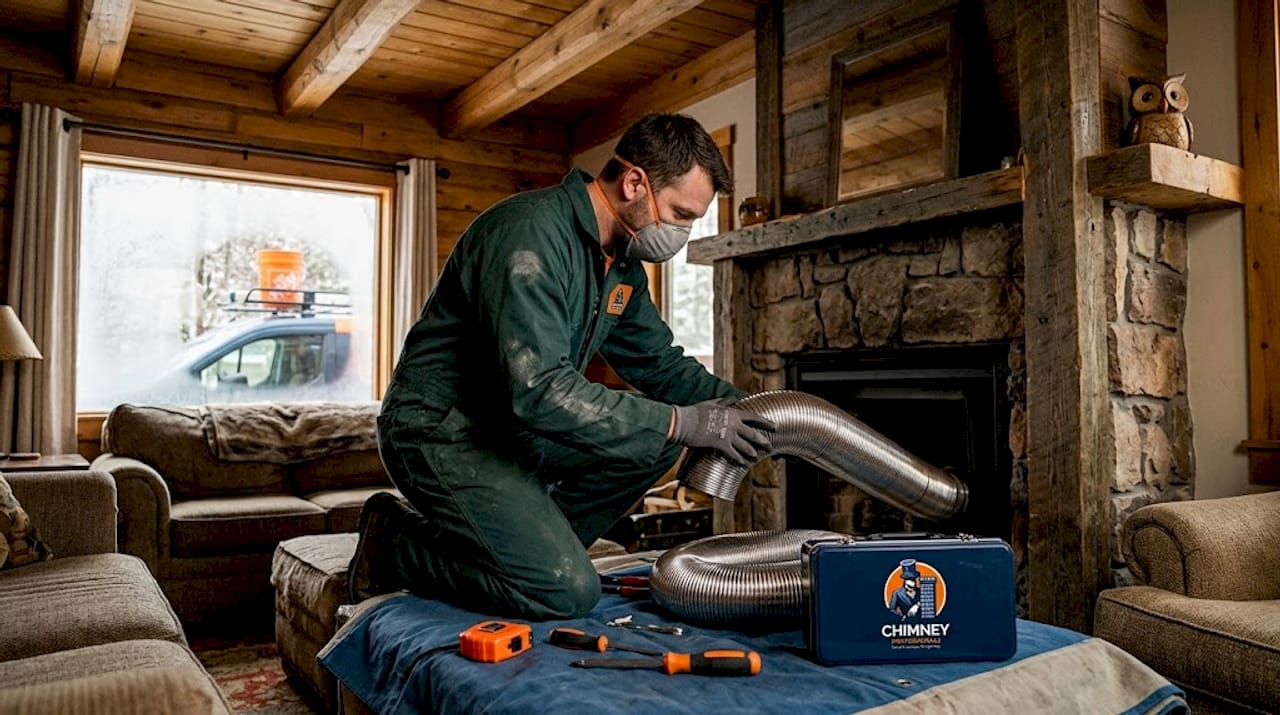
Damaged chimney flue liners can increase hidden fire risks and allow dangerous carbon monoxide backdrafts into your living areas. Cracks allow heat to transfer directly to combustible materials, and even small gaps can let toxic gases seep into rooms without any visible warning sign. This is why flue liner issues rank first among all DFW home chimney repair priorities.
Repair options range from applying a resurfacing product like Thermocrete to installing a full stainless steel liner, depending on the severity of damage. A professional inspection with a camera scope is the only reliable way to assess liner condition. Do not rely on visual inspection from the top alone.
3. Chimney crown restoration and sealing
The chimney crown is the concrete or mortar cap that covers the top of the masonry chimney structure, surrounding the flue opening. It slopes outward to direct water away from the flue and the brick below. When it cracks, water gets in directly.
Moisture damage causes masonry deterioration through cracks, loose bricks, and accelerated structural decline. In DFW, spring storms deliver significant rainfall, and a compromised crown can let gallons of water soak into your chimney over a single season. Sealing a crown early costs a fraction of what full masonry repair costs later.
A well-applied crown sealant like CrownSeal creates a flexible, waterproof membrane over the existing surface. This is a cost-effective solution when the crown is cracked but structurally intact. If the crown has crumbled significantly, a full replacement is necessary before sealing.
4. Masonry repair: bricks and mortar joints
Brick and mortar deterioration is one of the most visible and misunderstood chimney problems. Many homeowners assume that a few surface cracks are cosmetic. They are not. Mortar joints are the first line of defense against water intrusion, and once they erode, moisture gets into the brick itself.
When water penetrates porous masonry and then freezes, it expands and fractures the brick from the inside. This is called spalling, and it creates a cycle where each freeze event causes progressively worse damage. Tuckpointing and masonry repair address this by removing deteriorated mortar and replacing it with fresh, properly mixed material that bonds tightly and resists water infiltration.
Structural masonry repair ranks high in any list of chimney repair tips because the window for simple tuckpointing closes quickly. Ignore it for two or three seasons, and you may be looking at a partial or full chimney rebuild instead.
Pro Tip: Look at your chimney's mortar joints from ground level using binoculars in good daylight. If you can see visible gaps, recessed mortar lines, or dark staining around joints, schedule a masonry inspection before winter.
5. Chimney cap installation or replacement
A chimney cap sits directly over the flue opening and serves several protective functions at once. It blocks rain from falling directly into the flue, keeps birds and animals from nesting inside, and prevents debris like leaves and twigs from creating blockages.
Missing or damaged chimney caps allow debris, animals, and water to enter, causing blockages and accelerating wear on the liner and masonry below. In DFW, birds and squirrels actively look for chimney openings in spring and fall to nest. A single animal nest in the flue can block exhaust completely, creating a carbon monoxide risk the next time you light a fire.
Cap installation is one of the most cost-effective chimney repair tips available. A quality stainless steel cap with mesh sides costs far less than the damage its absence allows, and installation typically takes less than an hour for a professional.
6. Chimney leak repair
Water is the most destructive force acting on a chimney system, and active leaks require prompt attention. Untreated chimney leaks can lead to ceiling stains, mold growth, and wood rot in the structural framing adjacent to your chimney chase. In some cases, the damage extends to drywall, insulation, and flooring below the firebox.
Leak sources are not always obvious. Water may enter through cracked flashing (the metal seal between the chimney and the roof surface), a deteriorated crown, a missing cap, or porous brick faces. Identifying the correct source before applying a repair is what separates a lasting fix from a repeated problem. This is why professional diagnosis matters before any waterproofing product is applied.
7. Fireplace component repairs: damper and smoke shelf
The mechanical components inside your fireplace, specifically the damper and smoke shelf, affect both safety and day-to-day function. A damper that does not seal correctly when closed lets conditioned air escape year-round, raising your energy bills. More seriously, a damper that does not open fully or is stuck can cause smoke to back up into your home when the fireplace is in use.
Damaged dampers and smoke shelves reduce airflow efficiency and can be direct fire hazards when debris accumulates on the shelf. The smoke shelf sits just above the smoke chamber and collects falling debris before it reaches the firebox. If it's damaged or impacted with creosote buildup, the risk of a chimney fire increases significantly.
Damper replacement, particularly upgrading to a top-mounted damper, also doubles as a chimney cap in some configurations. This is one of those repairs where you get two benefits from one fix.
8. Side-by-side comparison: repair priorities at a glance
This table helps you weigh each repair by cost, urgency, and consequence of delay.
| Repair type | Estimated cost | Urgency level | Risk if delayed |
|---|---|---|---|
| Flue liner repair/replacement | $1,500 to $7,000+ | Critical | Fire spread, carbon monoxide exposure |
| Chimney crown restoration | $200 to $1,000 | High | Water damage to masonry and structure |
| Masonry tuckpointing/repair | $300 to $2,500 | High | Spalling, structural collapse over time |
| Chimney cap installation | $150 to $600 | Moderate to high | Animal intrusion, water infiltration, blockages |
| Leak repair and waterproofing | $200 to $1,500 | High | Mold, wood rot, ceiling and wall damage |
| Damper and smoke shelf repair | $150 to $500 | Moderate | Smoke backflow, energy loss, fire hazard |
Minor repairs across the board average around $455 for standard work, but combining multiple repairs in one visit often reduces the total cost significantly. Ask your technician what can be addressed together.
9. Budgeting and scheduling your chimney repairs in DFW
Getting the timing right saves you money and reduces stress. Spring and fall are the best times for chimney repairs in DFW. Mild temperatures allow mortar and sealants to cure correctly, and demand for chimney services is lower than in the weeks before winter, which means faster scheduling and occasionally better pricing.
Here are practical tips to manage your repair budget without cutting corners:
- Bundle repairs into one visit. Addressing the crown, cap, and flashing in a single appointment costs less than three separate service calls.
- Schedule an annual inspection. Regular inspections detect damage before it compounds. A Level 1 inspection is the minimum for a chimney used each season.
- Act on water damage immediately. Water-related repairs have the worst cost trajectory when delayed. A $300 crown seal repair can prevent a $3,000 masonry rebuild.
- Do not DIY structural or liner work. Tuckpointing, liner replacement, and crown rebuilds require professional tools, materials, and technique. Poor DIY repairs often create new water pathways or fail within one season.
- Combine your chimney inspection with an HVAC check. Services like residential HVAC maintenance can be scheduled at the same time to keep your whole home's heating system in good shape heading into winter.
Pro Tip: Book your chimney inspection in August or September before the fall rush. You get faster scheduling, and any repairs can be completed well before your first fire of the season.
Warning signs that require immediate action regardless of season include visible flames or sparks exiting the chimney top, a strong smoke smell in rooms adjacent to the fireplace when it is not in use, and any visible structural cracking at the chimney base or roofline.
Our perspective on chimney repair priorities in DFW
I've worked with hundreds of DFW homeowners over the years, and the single most common mistake I see is treating chimney repairs as a problem to address "eventually." What I've found is that the cost gap between early action and delayed action is rarely small. A cracked flue liner caught during an inspection costs a fraction of what a full replacement requires after a chimney fire.
What I've also learned is that homeowners consistently underestimate moisture damage. DFW's storms are severe enough to soak a chimney structure significantly in a single event. The damage doesn't always show immediately. It shows up a year later as stained ceilings, crumbling brick, or a damp smell in the living room during cold weather.
My recommendation, based on everything I've seen, is this: prioritize safety first (flue liner and damper), moisture protection second (crown, cap, flashing, and leak repair), and structural maintenance third (masonry). If you address repairs in that order, you protect lives first and your home's value second. And if you haven't had an inspection in the last 12 months, that is where to start, no matter what.
— chimneyprofessionalservices
How Chimney Professional Services can help DFW homeowners
At Chimney Professional Services, we handle every repair priority covered in this guide, from flue liner assessments and crown sealing to full masonry tuckpointing and rebuilds across the Dallas-Fort Worth Metroplex. Our certified inspectors use camera scoping to find damage that isn't visible from the outside, so you get an accurate picture of what your chimney actually needs before any work begins.
We also specialize in chimney leak repair and waterproofing to stop water intrusion before it reaches your framing, insulation, or interior walls. Every job is completed by experienced technicians who understand DFW's specific weather conditions and what they do to masonry and liner systems over time.
We're open daily from 8 AM to 8 PM and work around your schedule. Whether you need a priority inspection before winter or a full repair plan for multiple issues, our team is ready to help. Contact Chimney Professional Services today to book your appointment and protect your home with confidence.
FAQ
What are the most urgent DFW chimney repairs for safety?
Flue liner damage and damper failures carry the highest safety risk because they directly affect fire containment and carbon monoxide venting. Address these before any other repair.
How often should DFW homeowners schedule chimney inspections?
A professional chimney inspection is recommended at least once per year, ideally in late summer or early fall before the fireplace season begins.
What is the best time of year to schedule chimney repairs in DFW?
Spring and fall offer the best conditions for chimney work in DFW. Mild temperatures support proper material curing, and scheduling is easier outside of the pre-winter rush.
Can a missing chimney cap really cause serious damage?
Yes. A missing cap allows direct water entry into the flue, enables animal nesting that blocks exhaust, and accelerates liner and masonry wear. It's one of the most cost-effective repairs available.
How do I know if my chimney has a leak?
Common signs include water stains on the ceiling or walls near the fireplace, a damp or musty smell from the firebox, and visible rust on the damper or firebox components. A professional inspection can confirm the source.