
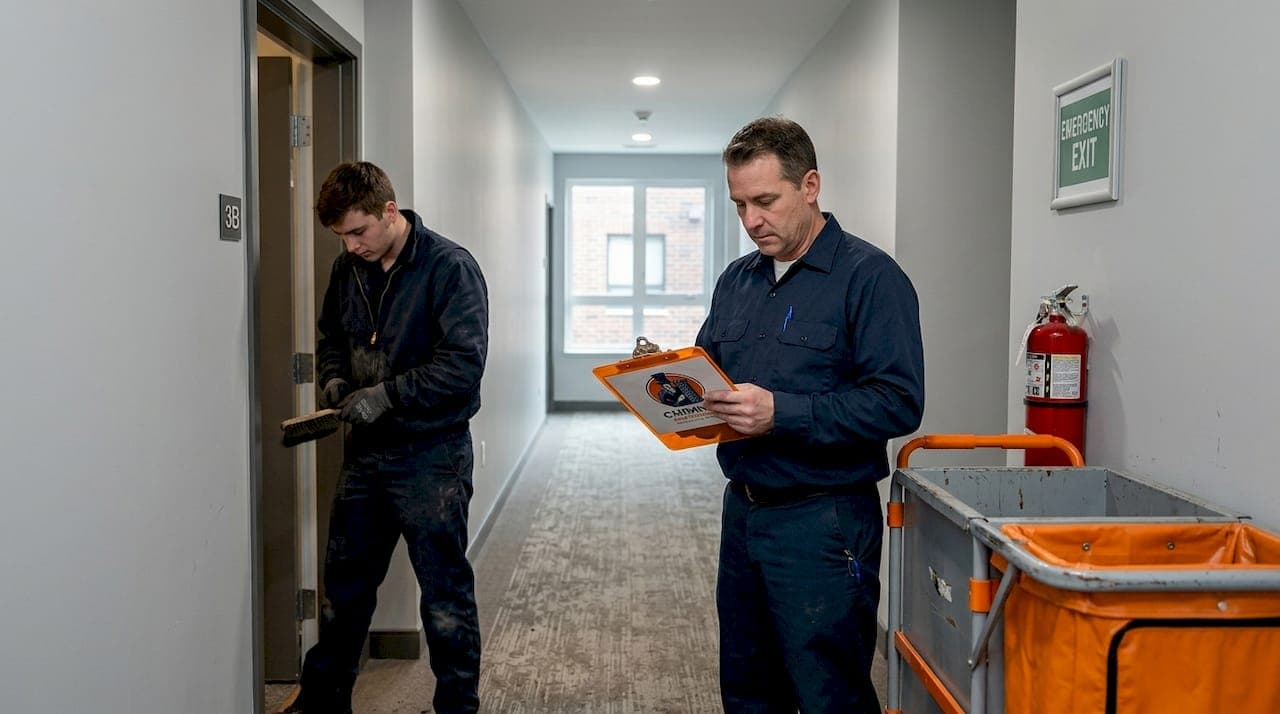
Managing chimney safety across multiple units is one of the most underestimated responsibilities in property management. When you have four, ten, or twenty flues to track, the wrong inspection type at the wrong time can leave you exposed to fire hazards, code violations, and serious liability. Understanding multi-unit property chimney inspection types is not optional knowledge. It is the foundation of a defensible safety and compliance program. This guide breaks down every inspection level, explains when each applies, and gives you a clear framework for managing chimney safety across your entire building portfolio.
Table of Contents
- Key takeaways
- 1. Multi-unit property chimney inspection types: what sets them apart
- 2. Level 1 chimney inspections: scope, process, and limitations
- 3. Level 2 chimney inspections: expanded scope and when they are required
- 4. Level 3 chimney inspections: investigative techniques for concealed damage
- 5. Side-by-side comparison of the three inspection levels
- 6. Best practices for managing multi-unit chimney inspections
- My take on where multi-unit chimney inspection is heading
- How Chimney Professional Services supports multi-unit property managers
- FAQ
Key takeaways
| Point | Details |
|---|---|
| Three standardized inspection levels | Level 1, 2, and 3 inspections differ in scope, cost, and required scenarios for multi-unit buildings. |
| Compliance rules tightened in 2026 | Stricter fire safety codes now mandate annual visual inspections and professional assessments every 3 to 5 years for multi-family properties. |
| Level 2 is triggered by specific events | Property transfers, fuel system changes, and post-fire situations require a Level 2 inspection regardless of recent inspection history. |
| Technology improves multi-unit management | Digital platforms with per-unit site cards make inspection tracking, audit trails, and compliance documentation far more reliable. |
| Integrated safety audits matter | Chimney inspections should be paired with life-safety checks, including self-closing fire doors, to prevent dangerous chimney effects. |
1. Multi-unit property chimney inspection types: what sets them apart
Chimney inspections are classified into three internationally recognized levels, each defining a distinct scope and method. For a single-family home, choosing between them is relatively straightforward. For a multi-unit property, the decision is far more complex.
Why multi-unit property chimney inspection differs from residential work comes down to scale, shared systems, and regulatory exposure. A single building may have flues serving gas appliances, wood-burning fireplaces, and boiler systems, all within the same structure. Each flue has its own condition history, liner material, and risk profile. The factors that determine which inspection level you need include:
- Building age and construction type: Older masonry buildings often have deteriorated liners that require more than a visual check.
- Fuel type and appliance connections: Gas, oil, and wood systems each carry different inspection requirements and hazard profiles.
- History of fires, renovations, or system upgrades: Any of these events triggers a higher inspection level automatically.
- Number of units: Properties with five or more units often require inspections aligned with commercial standards that emphasize life safety and shared system integrity.
- Regulatory requirements: By 2026, stricter fire safety codes mandate annual visual inspections and professional envelope assessments every three to five years for multi-family buildings.
Coordinating these inspections across multiple occupied units adds another layer of difficulty. Scheduling access, maintaining records per unit, and producing documentation for code compliance requires a system, not just a checklist.
Pro Tip: Use specialized inspection software that supports per-unit site cards with flue dimensions, liner material, and appliance type. Standard residential inspection records are not sufficient for multi-unit compliance documentation.
2. Level 1 chimney inspections: scope, process, and limitations
A Level 1 inspection is a visual assessment of all accessible chimney components that have not changed since the last inspection. It is the baseline inspection type and the most commonly performed across multi-unit properties on a routine maintenance schedule.
During a Level 1 inspection, a certified technician checks:
- Exterior masonry, mortar joints, and chimney caps for visible deterioration
- Flashing condition at the roofline
- Appliance connections and damper operation
- The interior of the flue as far as visibility allows without specialized equipment
Level 1 inspections typically take 30 to 60 minutes and cost between $80 and $200. For a ten-unit building, that translates to a manageable annual budget of $800 to $2,000 for baseline coverage. However, the limitations are real and property managers need to understand them.
Level 1 cannot detect concealed liner cracks, internal blockages beyond the line of sight, or deterioration inside the flue walls. If your building has not had a more thorough inspection in several years, or if any appliances or systems have changed, a Level 1 is not sufficient on its own. It is appropriate when the chimney system is unchanged, operating normally, and has a clean recent inspection history.
For multi-family property chimney checks on a routine annual basis, Level 1 is the right starting point. It keeps you current on visible conditions and satisfies the annual visual inspection requirement under 2026 compliance standards. But it should be part of a broader inspection schedule, not the only tool you use.
3. Level 2 chimney inspections: expanded scope and when they are required
Level 2 is the inspection type most property managers will encounter at critical transition points in a building's life. Level 2 inspections are mandatory during property transfers, fuel system changes, or following chimney fires to satisfy safety and regulatory requirements.
The scope expands significantly beyond Level 1. A Level 2 inspection includes:
- Video scanning of the entire flue interior to detect cracks, blockages, and liner deterioration not visible to the naked eye
- Inspection of accessible portions of the chimney in attics, crawl spaces, and basements
- Assessment of all chimney components including the smoke chamber, firebox, and connector pipes
- Detailed written report with findings and documentation suitable for regulatory review
Level 2 inspections take 60 to 90 minutes and cost between $200 and $500 per chimney. For multi-unit buildings, this cost scales with the number of flues, which makes budgeting and scheduling critical.
The benefits for multi-unit owners are significant. A Level 2 inspection produces the kind of documented evidence that protects you in the event of a fire investigation, insurance claim, or regulatory audit. It also catches problems like cracked liners and deteriorated smoke chambers before they become structural failures or fire hazards.
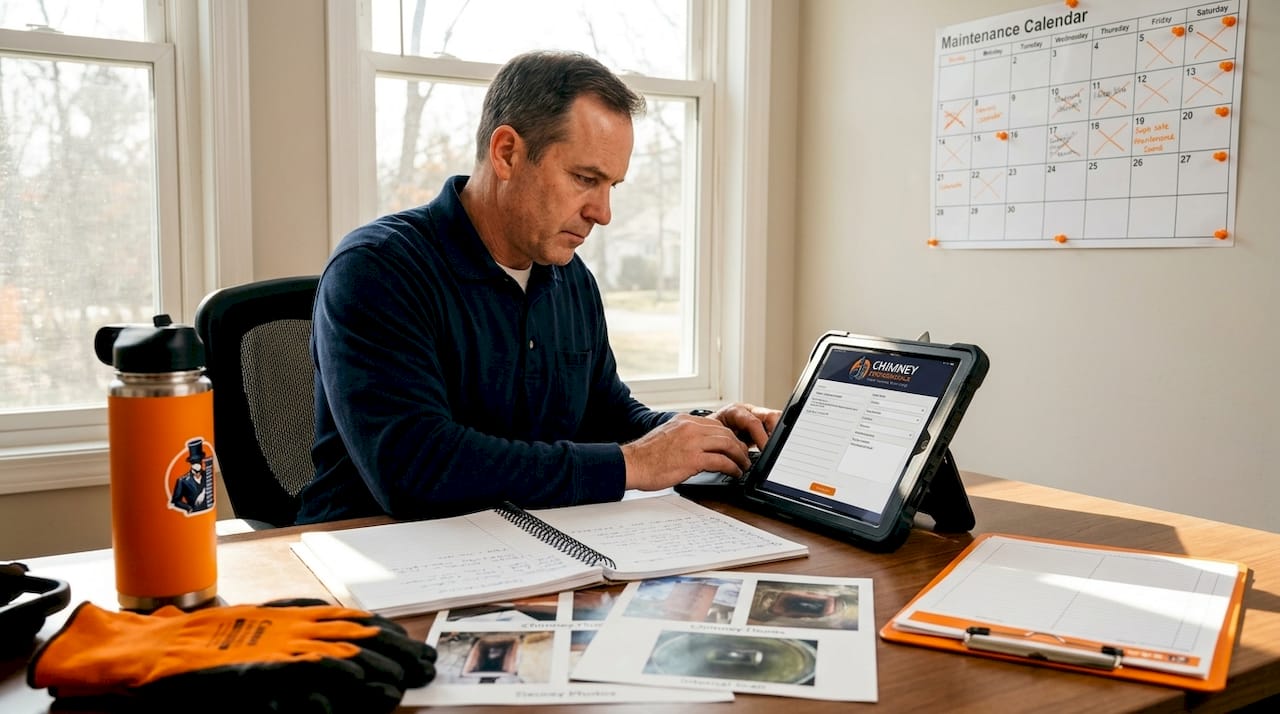
Pro Tip: Schedule Level 2 inspections for all units whenever you acquire a multi-unit property, regardless of the seller's inspection records. Existing documentation from a previous owner does not transfer liability protection to you.
When a building undergoes a fuel conversion, such as switching from oil to gas appliances, every affected flue requires a Level 2 inspection. Gas appliances produce different combustion byproducts and operate at different temperatures than oil or wood systems. A flue sized and lined for one fuel type may not be safe for another without modification.
4. Level 3 chimney inspections: investigative techniques for concealed damage
Level 3 is the most invasive and expensive chimney inspection type. It involves the removal of parts of the chimney structure, including wall sections, chimney crowns, or other components, to allow thorough internal examination of areas that cannot be accessed any other way.
This level applies in specific, serious situations:
- Suspected structural failure inside the chimney system
- Following a significant chimney fire where internal damage is likely but not visible
- When Level 1 or Level 2 findings indicate possible concealed damage that requires confirmation
- During major building renovations that expose chimney components
Level 3 inspections can take multiple days and cost between $1,000 and $5,000 or more, depending on the extent of structural access required. In a multi-unit building, this cost and disruption multiplies if multiple flues are affected.
The coordination challenges in a multi-unit setting are substantial. Residents may need to vacate affected areas during the inspection. Structural access may require permits. The findings often lead directly into masonry repair or liner replacement work, which extends the timeline further.
Despite the cost and complexity, Level 3 inspections are not optional when the situation calls for them. A concealed crack in a shared chimney wall between two units is not a minor defect. It is a fire and carbon monoxide hazard that affects every tenant in the building. Skipping a Level 3 inspection to save money in that scenario is a decision with serious legal and safety consequences.
5. Side-by-side comparison of the three inspection levels
Understanding how the three levels stack up helps you match the right inspection type to each situation in your building. Here is a direct comparison:
| Feature | Level 1 | Level 2 | Level 3 |
|---|---|---|---|
| Scope | Accessible, unchanged components | All accessible areas plus video scan | Structural removal for concealed access |
| Duration | 30 to 60 minutes | 60 to 90 minutes | Multiple days |
| Cost per flue | $80 to $200 | $200 to $500 | $1,000 to $5,000+ |
| Video inspection | No | Yes | Yes |
| Triggers | Routine annual maintenance | Property transfer, fuel change, post-fire | Suspected structural damage, major fire |
| Documentation | Basic report | Detailed report with video evidence | Full structural assessment report |
| Compliance use | Annual visual requirement | Regulatory event-based requirement | Investigative compliance |
The compliance triggers column is the most important for property managers. You do not get to choose your inspection level based on budget alone. Certain events legally require specific levels, and performing a lower-level inspection when a higher one is mandated does not satisfy your compliance obligation.
Pro Tip: Build your annual inspection calendar around compliance triggers, not just the calendar year. Track property transfer dates, appliance upgrade dates, and any fire incident records so you can schedule the correct inspection level automatically when those events occur.
6. Best practices for managing multi-unit chimney inspections
Effective multi-unit chimney inspection management requires a system that goes beyond scheduling one annual sweep. Here is what a well-structured program looks like in practice:
- Move to scheduled, automated inspection cycles. Automated recurring inspection programs with real-time visibility give you a reliable, auditable maintenance record. Ad-hoc inspections leave gaps that become liabilities.
- Use per-unit site cards for every flue. Log flue dimensions, liner material, appliance type, and inspection history for each unit separately. Specialized field-service platforms support this level of detail in ways that general maintenance software does not.
- Integrate chimney inspections with broader fire safety audits. Open fire doors in multi-unit buildings create dangerous chimney effects that rapidly spread smoke and toxic gases during fires. Your chimney inspection program should be paired with checks on self-closing fire doors and other life-safety systems.
- Use representative sampling strategically. Cost-efficient inspection strategies for large buildings often use representative sampling rather than inspecting every unit annually. This approach balances thoroughness with budget, but it must be documented and defensible.
- Budget for repair work alongside inspections. Inspections reveal conditions. Repairs resolve them. Plan financially for masonry repair and liner work as a natural follow-on to your inspection program, not a surprise expense.
"Non-functioning self-closing fire doors are frequently cited as immediately hazardous violations that exacerbate fire risks in multi-unit properties. Chimney inspections alone are not enough. Integrated life-safety audits are the standard." — Fire safety compliance guidance, 2026
Work with certified chimney inspectors who understand multi-unit building systems. A technician experienced only in single-family homes may not recognize the shared-flue configurations, commercial-grade liner systems, or compliance documentation requirements that apply to your property. Our team at Chimney Professional Services works across the Dallas-Fort Worth area with property managers who need inspections that hold up to regulatory scrutiny.
My take on where multi-unit chimney inspection is heading
I have seen a consistent pattern across multi-unit properties: managers treat chimney inspections as a box to check rather than a risk management tool. That mindset is changing, partly because regulators are forcing it and partly because the consequences of getting it wrong are becoming more visible.
What concerns me most is the chimney effect problem. When fire doors fail in a multi-unit building and a chimney fire starts, smoke and toxic gases move through the building faster than most people expect. The inspection work and the life-safety audit work need to happen together. I have seen properties with clean chimney inspection records that still had serious fire safety failures because nobody connected the dots between the flue condition and the door hardware.
The technology side is genuinely improving things. Property managers who use digital platforms to track per-unit inspection histories are catching problems earlier and producing better documentation when regulators ask questions. The shift from paper records to auditable digital systems is not just convenient. It is becoming a compliance expectation.
My honest recommendation: stop thinking about chimney inspections as an annual cost and start thinking about them as a three-level system that you move through based on your building's events and condition. That framing leads to better decisions and fewer surprises.
— chimneyprofessionalservices
How Chimney Professional Services supports multi-unit property managers
At Chimney Professional Services, we work with property managers across the Dallas-Fort Worth Metroplex who need more than a basic sweep. We conduct Level 1 and Level 2 chimney cleaning and inspections with full documentation suitable for compliance review, and we handle the repair work that inspections uncover, from chimney leak repair to full masonry rebuilds.
Every inspection is led by a certified chimney inspector, and we provide per-unit reporting that integrates with your property management records. Whether you manage a four-unit building or a large multi-family complex, we build inspection schedules around your compliance calendar. Contact us today to book your multi-unit assessment and get a documentation package your compliance officer will actually approve.
FAQ
What are the three types of chimney inspections?
The three types are Level 1 (visual assessment of accessible components), Level 2 (video scanning plus inspection of all accessible areas), and Level 3 (structural removal for concealed damage). Each level applies to different building conditions and regulatory scenarios.
When is a Level 2 chimney inspection required for multi-unit properties?
A Level 2 inspection is required during property transfers, after chimney fires, or when fuel systems are upgraded. These events trigger mandatory expanded inspections regardless of recent inspection history.
How much do chimney inspections cost for multi-unit buildings?
Level 1 inspections cost $80 to $200 per flue, Level 2 runs $200 to $500, and Level 3 can reach $1,000 to $5,000 or more per flue depending on the structural access required.
How often should multi-unit properties have chimney inspections?
Under 2026 fire safety codes, multi-family properties should have annual visual inspections at minimum, with professional envelope assessments every three to five years. Specific events like fires or ownership changes require immediate Level 2 inspections.
Do all units in a multi-unit building need individual chimney inspections?
Not always. Larger buildings can use representative sampling strategies to manage cost, but each sampled flue must be fully documented. Properties with five or more units typically follow commercial inspection standards that require more thorough per-system documentation.
Recommended
- Chimney & Fireplace Blog | Tips for Dallas Homeowners | Chimney Professionals
- Chimney & Fireplace Services Dallas–Fort Worth | Chimney Professionals
- Chimney Cleaning Dallas TX | Level 1 & 2 Sweeps | Chimney Professionals
- Chimney Masonry Repair Dallas TX | Tuckpointing & Rebuilds | Chimney Professionals