
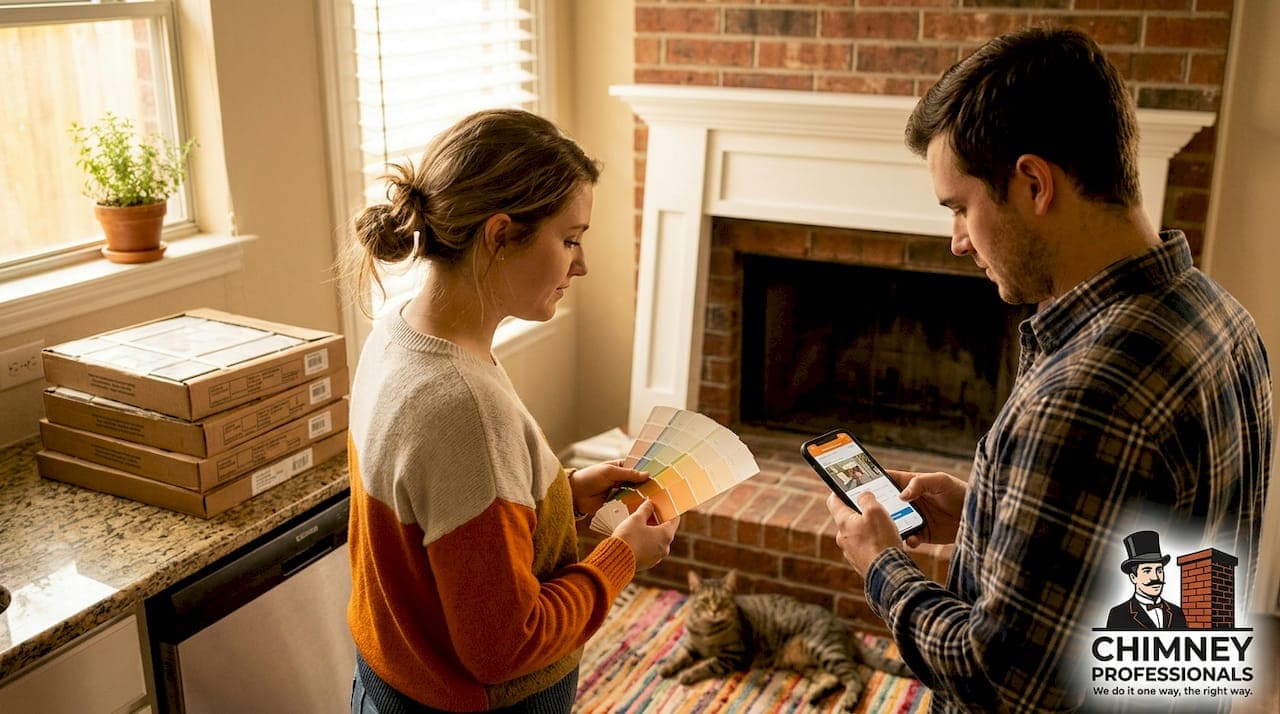
You just bought a home in the Dallas-Fort Worth area, and the fireplace is either a selling point you want to maximize or a question mark you're not sure how to handle. Either way, understanding your fireplace upgrade options as a new homeowner is one of the smartest early investments you can make. The right upgrade improves comfort, adds style, boosts heating efficiency, and keeps your home compliant with local codes. The wrong one can cost you in failed inspections, permit delays, or safety hazards. This guide cuts through the noise so you can make a confident, informed decision.
Table of Contents
- Key takeaways
- 1. Fireplace upgrade options every new homeowner should evaluate first
- 2. Wood-burning fireplace inserts
- 3. Gas fireplace inserts and direct-vent gas fireplaces
- 4. Electric fireplaces
- 5. Cosmetic fireplace upgrades: refacing, mantels, and surrounds
- 6. Blower systems for improved heat distribution
- 7. Comparison of fireplace upgrade options
- 8. Safety improvements and code compliance in Dallas-Fort Worth
- 9. Matching upgrades to your budget and lifestyle
- Our perspective on fireplace upgrades in DFW homes
- Ready to upgrade your fireplace the right way?
- FAQ
Key takeaways
| Point | Details |
|---|---|
| Know your upgrade types | Wood inserts, gas inserts, electric units, and cosmetic updates each serve different needs and budgets. |
| Permits are required in DFW | Most fireplace upgrades in Dallas require permits with fees from $200 to $800 and roughly two weeks for approval. |
| Chimney lining is non-negotiable | Wood-burning inserts require a full stainless steel liner. Existing clay tile liners do not meet code. |
| Clearance violations top inspection failures | Improper mantel or trim placement is the most common reason fireplace remodels fail inspection. |
| Match your upgrade to your lifestyle | Gas suits convenience seekers, electric fits low-maintenance households, and wood inserts serve traditionalists who want real heat. |
1. Fireplace upgrade options every new homeowner should evaluate first
Before you choose a style or fuel type, you need a framework for evaluating what actually makes sense for your home. Skipping this step is how homeowners end up with a beautiful gas insert that violates their HOA rules, or a wood-burning upgrade that requires $3,000 in chimney work they didn't budget for.
Here are the core criteria to run every option through:
- Heating efficiency and fuel type. Gas and wood inserts generate real heat. Electric units produce ambiance and minor warmth but are not primary heat sources.
- Maintenance commitment. Wood fireplaces require regular chimney cleaning and annual inspections. Gas and electric options are significantly lower maintenance.
- Style compatibility. Modern fireplace designs with sleek tile surrounds or floating mantels look out of place in a traditional brick home. Match the upgrade to your home's architecture.
- Local permit and code requirements. Dallas-Fort Worth follows the 2021 IRC with permit fees ranging from $200 to $800 and an approval timeline of roughly two weeks.
- Safety clearances. Every upgrade must account for noncombustible hearth extensions and proper clearance from combustible materials.
Pro Tip: Before contacting any contractor, pull up your HOA guidelines and your municipality's permit portal. Knowing these restrictions upfront saves you from falling in love with an upgrade that isn't allowed.
2. Wood-burning fireplace inserts
Wood inserts are the most powerful heating upgrade you can make to an existing masonry fireplace. A quality insert fits directly into your existing firebox, dramatically reducing heat loss up the chimney and converting a largely decorative feature into a functional heat source.
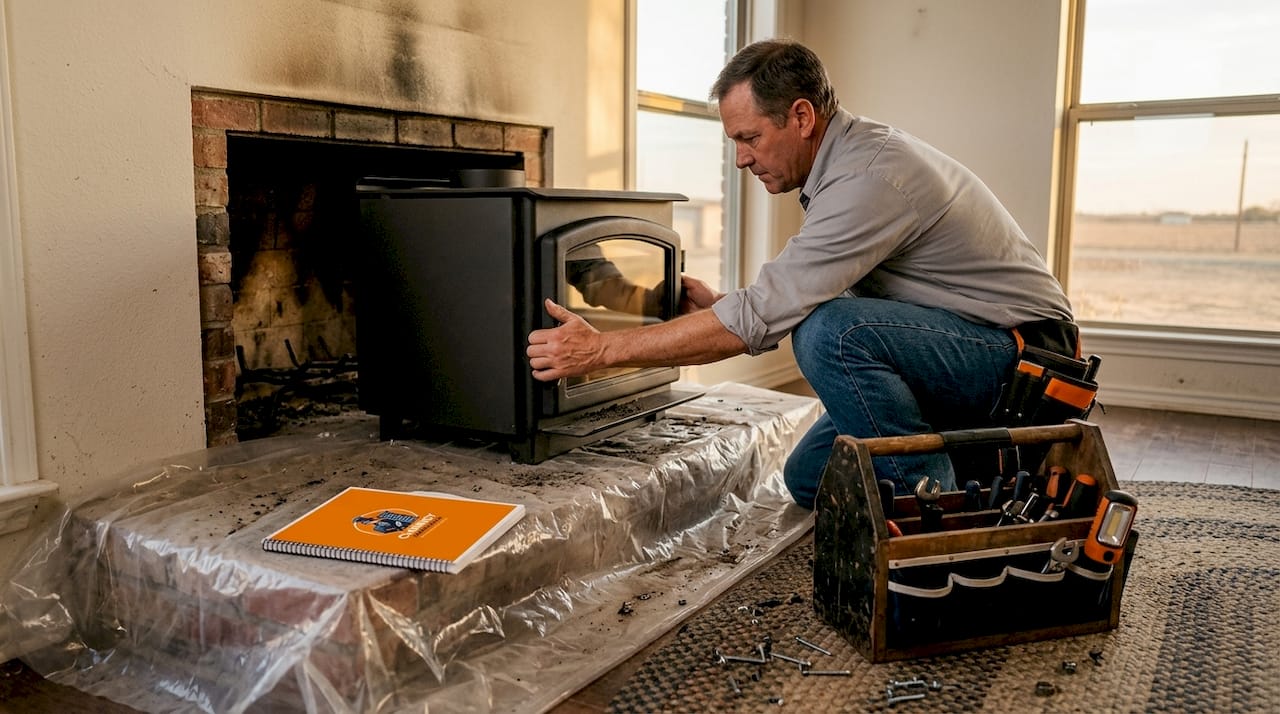
The catch is that all new wood-burning inserts must be EPA 2020 certified, limiting particulate emissions to 2.0 grams per hour or less. This is both a code requirement and an air quality standard that DFW municipalities take seriously. High-efficiency certified models may qualify for a 30% federal tax credit on purchase and installation costs, which meaningfully offsets the upfront expense.
One detail many buyers miss: masonry chimneys require a full-length stainless steel liner when a wood insert is installed. Existing clay tile liners are not code-compliant for this application and pose real safety risks. The liner must also be sized to match the insert collar precisely. An improper diameter causes draft problems and carbon monoxide risks. Factor this into your budget early.
Wood insert installation costs typically run $800 to $2,500, including chimney relining and permits. That range is wide because chimney condition varies significantly from home to home.
3. Gas fireplace inserts and direct-vent gas fireplaces
Gas inserts are the most popular upgrade choice for DFW homeowners, and the reasons are practical. You get reliable heat, instant ignition, and no wood storage or ash cleanup. For a busy household, that convenience is hard to argue with.
Gas insert installation requires both mechanical and gas permits and must be performed by a licensed professional. Direct-vent models are the preferred option because they use a sealed combustion system, drawing outside air for combustion and venting exhaust directly out through a coaxial pipe. This eliminates the indoor air quality concerns associated with older B-vent designs.
If you're considering a full conversion from wood to gas, our gas log installation guide walks through the local compliance specifics in detail. A gas fireplace safety inspection is also recommended after installation to confirm the system is operating correctly before regular use.
Pro Tip: Ask your installer whether the gas line has adequate capacity for the insert you're choosing. Undersized gas lines cause poor flame performance and are a common oversight on first-time installations.
4. Electric fireplaces
Electric fireplaces are the simplest fireplace upgrade option for new homeowners who want visual impact without construction complexity. There's no venting, no gas line, no chimney work, and no permit required in most cases. You plug it in or hardwire it, and it works.
Electric fireplaces are easy to install and low maintenance, but they don't generate meaningful heat the way gas or wood inserts do. They're best suited for spaces where ambiance matters more than BTUs, like a bedroom, home office, or a living room that already has adequate heating from your HVAC system.
Modern electric fireplace designs have improved significantly. Linear models with LED flame effects and customizable color temperatures look genuinely impressive and fit well in contemporary DFW homes. If you're pairing your fireplace upgrade with broader home energy improvements, electric units integrate cleanly without adding combustion-related complexity.
5. Cosmetic fireplace upgrades: refacing, mantels, and surrounds
Not every upgrade needs to involve fuel or heat output. Cosmetic fireplace renovation ideas can completely transform the look of a room at a fraction of the cost of a full insert installation.
Common cosmetic upgrades include replacing an outdated brick surround with modern tile or natural stone, swapping a dated wood mantel for a floating shelf design, and painting or limewashing existing brick for a cleaner aesthetic. These updates work well for new homeowners who are happy with their fireplace's function but want it to match a refreshed interior.
The one safety rule that catches people off guard: IRC 2021/2024 requires noncombustible hearth extensions at least 16 inches in front of the firebox opening, with 6-inch side clearances and 12 inches of clearance above the firebox opening for combustible materials. If your cosmetic remodel involves adding a new mantel or trim, these measurements are not optional. Clearance violations are the most common reason fireplace remodels fail inspection.
6. Blower systems for improved heat distribution
Adding a blower system to an existing wood or gas fireplace is one of the most cost-effective upgrades available. It doesn't change the look of your fireplace, doesn't require a permit in most cases, and makes a noticeable difference in how effectively your fireplace heats the room.
Blower systems improve heat distribution by circulating warm air from the firebox into the living space instead of allowing it to rise and dissipate near the ceiling. For DFW homes with open floor plans, this can extend the effective heating radius of the fireplace significantly.
Most inserts come blower-ready, and retrofit kits are available for many existing fireplaces. This is a practical first upgrade for new homeowners who want better performance from what they already have before committing to a larger renovation.
7. Comparison of fireplace upgrade options
| Feature | Wood insert | Gas insert | Electric unit | Cosmetic upgrade |
|---|---|---|---|---|
| Heating efficiency | High | High | Low | No change |
| Estimated cost range | $800–$2,500 | $1,500–$4,000 | $300–$1,500 | $500–$3,000 |
| Permit required | Yes | Yes | Usually no | Sometimes |
| Maintenance level | High | Low to moderate | Very low | Very low |
| Style impact | Moderate | Moderate to high | High | Very high |
| Chimney lining required | Yes, stainless steel | Depends on model | No | No |
| Local code compliance | EPA cert + IRC | IRC + gas codes | Minimal | IRC clearances |
8. Safety improvements and code compliance in Dallas-Fort Worth
Getting your fireplace upgrade right means more than choosing a style. Local code compliance protects your investment and, more importantly, your family. Here are the critical safety and compliance points for DFW homeowners:
- Hearth and mantel clearances. IRC 2021/2024 requires hearth extensions at least 16 inches in front of the firebox, 6-inch side clearances, and 12 inches of clearance above the opening for combustible materials. Clearance violations are the top cause of failed inspections.
- Stainless steel chimney liner. Any wood-burning insert installation requires a full-length flexible stainless steel liner. Clay tile liners are not acceptable under current code.
- The 2-10-3 chimney termination rule. Your chimney must extend at least 2 feet above any roof structure within 10 feet horizontally, and at least 3 feet above the point where it exits the roof.
- Permit fees and timelines. Budget $200 to $800 for permit fees and plan for roughly a two-week approval window before work can begin.
- HOA and air quality restrictions. Some DFW neighborhoods restrict or prohibit wood-burning fireplaces due to air quality ordinances. Confirm with your HOA before purchasing any wood-burning equipment.
- Code-verified contractor communication. Ask contractors for specific NFPA 211 or IRC code citations when they recommend repairs. A legitimate professional will provide these without hesitation. This practice separates necessary work from unnecessary upselling.
Pro Tip: Request a Level 2 chimney inspection before starting any upgrade. It reveals liner condition, clearance issues, and structural problems that could change your upgrade plan entirely.
9. Matching upgrades to your budget and lifestyle
The best fireplace upgrade depends on your lifestyle. Here's how to align your choice with your actual situation:
- Convenience-focused households. A gas insert or direct-vent gas fireplace is the right call. Low maintenance, reliable heat, and no wood handling.
- Traditionalists who want authentic heat. An EPA-certified wood insert with a proper stainless steel liner delivers the real wood-burning experience while meeting current code. Budget for the full chimney relining as part of the project.
- Budget-conscious new homeowners. Start with cosmetic upgrades and a blower system. You can significantly improve the look and performance of your existing fireplace for under $1,500 without triggering major permit requirements.
- Style-first homeowners. Electric units and cosmetic refacing give you the most design flexibility. Modern fireplace designs with linear electric inserts and stone surrounds are some of the most visually striking options available right now.
- Efficiency-minded buyers. Look at EPA-certified wood inserts or high-efficiency gas inserts. Both can qualify for federal tax incentives, and pairing them with home insulation upgrades maximizes the return on your investment.
When in doubt, hire a certified chimney professional before committing to any upgrade. A pre-upgrade inspection from a qualified fireplace and chimney service gives you a clear picture of what your existing system can support.
Our perspective on fireplace upgrades in DFW homes
I've seen a lot of fireplace upgrades go sideways in Dallas-Fort Worth, and the pattern is almost always the same. Homeowners fall in love with a design, skip the inspection, and discover mid-project that the chimney needs full relining or the mantel placement violates clearance codes. Those surprises turn a $1,200 cosmetic update into a $4,000 repair job.
My honest take: the chimney liner issue is the most overlooked problem in this market. Homeowners assume that because the fireplace "worked fine" for the previous owner, the chimney is in good shape. Clay tile liners degrade over time, and they simply don't meet current code for wood insert installations. Discovering this after you've already purchased the insert is a frustrating and expensive position to be in.
I also think the federal tax credit opportunity is underutilized. A 30% credit on a qualifying wood or gas insert installation is real money. But it only applies to EPA-certified equipment installed by licensed professionals with proper documentation. That's another reason to work with credentialed contractors from the start, not just to meet code, but to protect your tax filing.
Check your HOA rules before anything else. In my experience, that single step prevents more wasted planning time than any other piece of advice I can offer.
— chimneyprofessionalstx
Ready to upgrade your fireplace the right way?
At Chimney Professional Services, we work with new DFW homeowners every day who are sorting through exactly these decisions. Our certified inspectors assess your existing chimney and fireplace system before any upgrade begins, so you know exactly what you're working with and what your project will actually cost.
From chimney masonry repair and full liner installations to permit-compliant fireplace upgrades and professional cleaning, our team handles every step. We're open daily from 8 AM to 8 PM and serve homeowners across the Dallas-Fort Worth Metroplex. If you want the job done correctly the first time, with a certified inspector guiding every decision, contact Chimney Professional Services today to schedule your consultation.
FAQ
What permits do I need for a fireplace upgrade in Dallas?
Most fireplace upgrades in Dallas require a building permit, and gas insert installations also require mechanical and gas permits. Permit fees range from $200 to $800 with roughly a two-week approval timeline.
Do I need a new chimney liner for a wood insert?
Yes. Masonry chimneys require a full-length stainless steel liner when a wood-burning insert is installed. Existing clay tile liners do not meet current code and pose safety risks.
What is the most common reason fireplace remodels fail inspection?
Clearance to combustible materials violations are the top cause of failed fireplace inspections, most often from improper mantel or trim installation that doesn't meet IRC distance requirements.
Can I install an electric fireplace without a permit in DFW?
In most cases, yes. Electric fireplaces generally don't require permits because they involve no gas lines or venting. However, hardwired electrical work may require an electrical permit, so confirm with your local municipality before installation.
Which fireplace upgrade adds the most home value?
Gas inserts and cosmetic upgrades like stone surrounds and custom mantels tend to offer the strongest return in the DFW market, combining visual appeal with functional heating that buyers recognize and value.