
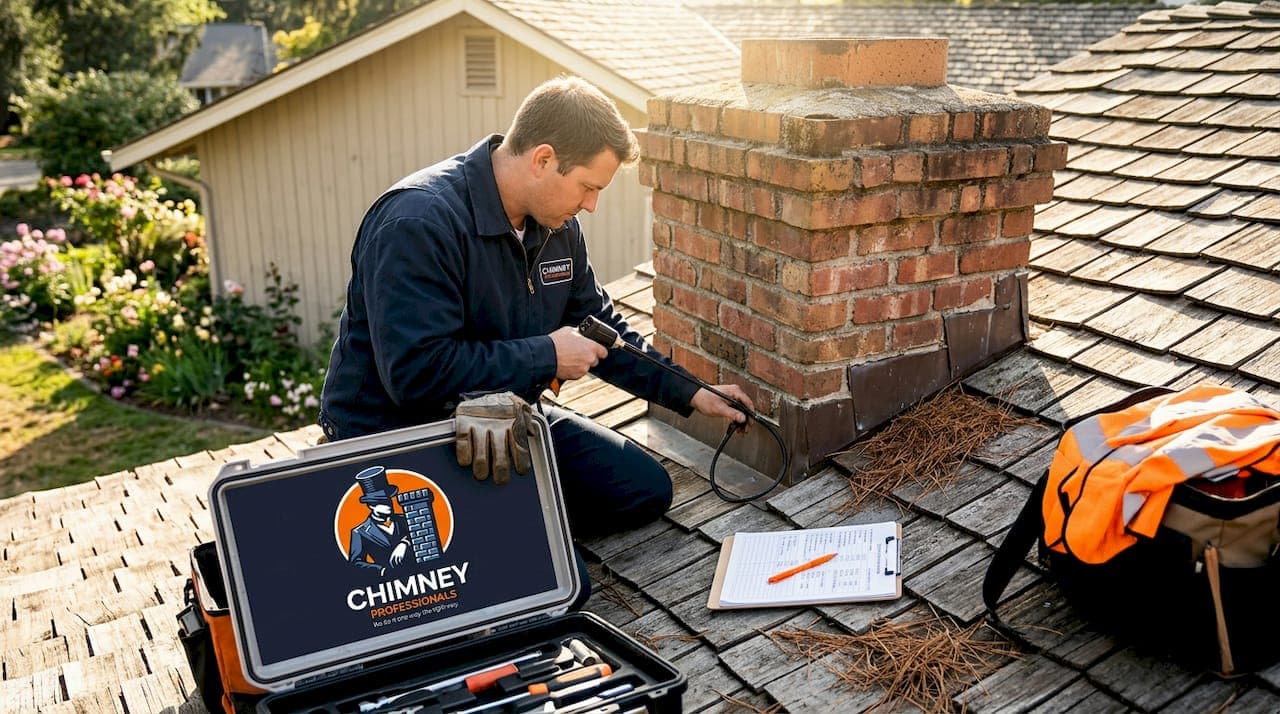
Your chimney may look perfectly fine from the outside, but that appearance tells you almost nothing about what's happening inside the flue. Understanding why chimney needs annual service goes beyond simple cleaning. It's about protecting your family from fire, structural damage, and invisible threats like carbon monoxide. Whether you use your fireplace every weekend or just a few times a year, the risks that accumulate inside a chimney don't wait for you to notice them. This article walks you through the real dangers, what a professional service covers, and why skipping even one year can cost you far more than the inspection itself.
Table of Contents
- Key Takeaways
- Why chimney needs annual service: the real risks
- The case for servicing an unused chimney
- What a professional annual service actually covers
- Long-term value: protecting your home investment
- Our honest take on annual chimney service
- Protect your home with Chimney Professional Services
- FAQ
Key Takeaways
| Point | Details |
|---|---|
| Annual service is non-negotiable | Yearly inspection prevents chimney fires, carbon monoxide intrusion, and costly structural damage. |
| Creosote is the primary fire risk | Creosote buildup from incomplete combustion is highly combustible and must be removed by a certified sweep. |
| Unused chimneys still collect hazards | Bird nests, debris, and moisture damage accumulate even when a fireplace is not in use. |
| Professional service goes beyond cleaning | Certified technicians inspect liners, masonry, crowns, and venting systems that homeowners cannot safely assess. |
| Early detection saves money | Catching minor damage during an annual check prevents expensive repairs or full chimney rebuilds down the road. |
Why chimney needs annual service: the real risks
Most homeowners think of chimney servicing as something you do when you see soot or notice a smoky smell in the room. That thinking leaves a lot of danger unaddressed. The Chimney Safety Institute of America (CSIA) explicitly recommends yearly inspections and any necessary sweeping or repairs, and the reasons go well beyond aesthetics.
Creosote buildup and chimney fires
Every time you burn wood, combustion byproducts travel up through the flue. When those gases cool against the flue walls before exiting, they condense into creosote. This substance is not just dirty. Creosote is highly combustible, and when enough of it accumulates, a stray ember can ignite it into a chimney fire that burns at over 2,000 degrees Fahrenheit.
The factors that accelerate creosote formation include:
- Restricted air supply in the firebox or flue
- Unseasoned or wet wood, which produces more smoke and lower combustion temperatures
- Long smoldering burns that keep flue temperatures low
- Cooler outdoor temperatures, which reduce draft and slow gas movement through the flue
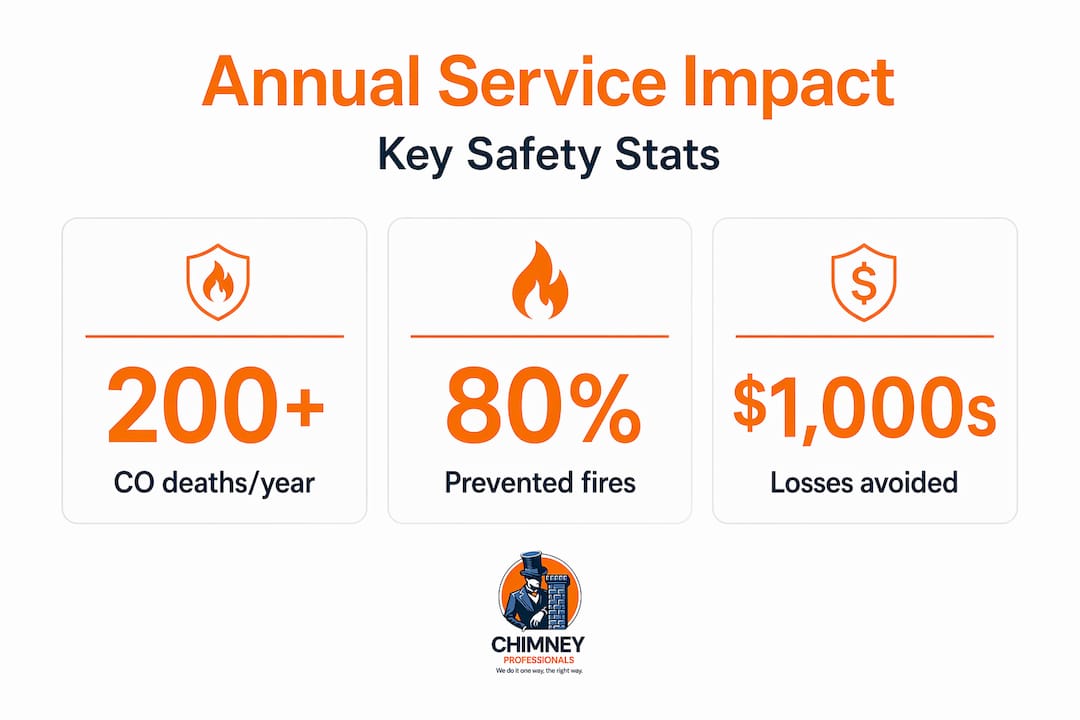
Over 20,100 chimney fires are reported annually in U.S. homes, with roughly 80% caused by creosote buildup. The cumulative property damage exceeds $1 billion per year. That number reflects real homes and real families who assumed their chimneys were fine.
"Creosote formation is not a single-level problem. It depends on combustion efficiency and flue temperature, making operational habits as important as cleaning frequency." — Chimney Safety Institute of America
Pro Tip: Burning only well-seasoned hardwood with moisture content below 20% significantly slows creosote accumulation between annual service visits.
Carbon monoxide: the silent risk
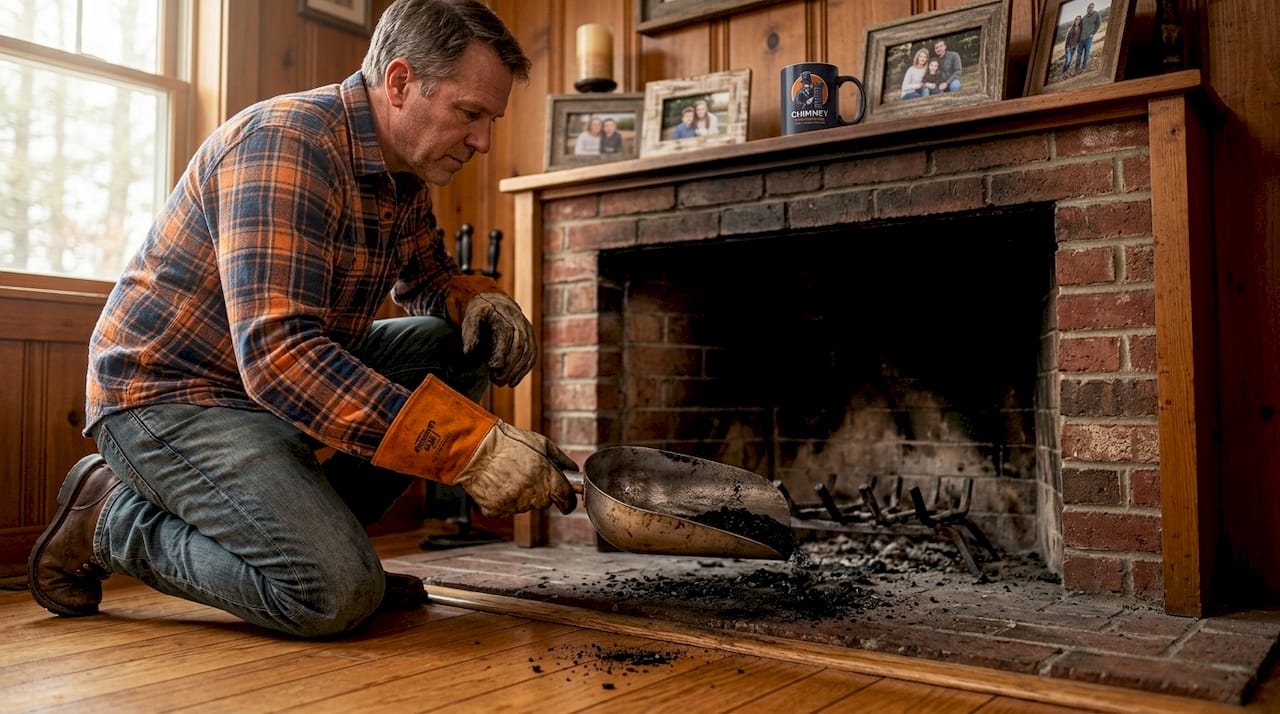
Creosote fires are dramatic and visible. Carbon monoxide (CO) poisoning is not. When a chimney vents improperly due to blockages, damaged liners, or negative pressure in the home, combustion gases can back-draft directly into your living space. You cannot smell or see CO.
More than 200 deaths per year are linked to carbon monoxide poisoning from venting problems, with thousands more injuries that could be prevented by routine chimney maintenance. Homes with modern airtight construction face elevated CO risk because reduced fresh air exchange interferes with proper draft. If your furnace or water heater also vents through the chimney, a blockage creates compound risk across multiple appliances at once.
Annual inspections catch these venting deficiencies before they become emergencies. That's a benefit no CO detector alone can provide, because a detector only alerts you once the gas is already in your home.
The case for servicing an unused chimney
A lot of homeowners in the Dallas area use their fireplace occasionally. Maybe a handful of fires each winter, or none at all in a given year. The logic follows: if I haven't used it, it doesn't need service. That logic breaks down quickly when you understand what happens to a chimney while it sits idle.
Off-season hazards from animals and debris can disable a chimney completely without a single fire being lit. Here's what professionals find on routine service calls to homes with infrequently used fireplaces:
- Bird nests packed into the flue. Chimney sweeps report pulling out up to six feet of bird nests and debris during off-season service calls. A fully blocked flue with a fire burning below it is a carbon monoxide catastrophe waiting to happen.
- Small animal entry. Squirrels, raccoons, and other animals use uncapped chimneys as shelters. They leave behind nesting material, droppings, and sometimes don't make it back out, creating an organic blockage that also produces odor and bacteria.
- Moisture intrusion. Without regular inspection, cracks in the flue liner, the chimney crown, or the flashing go undetected. Water seeps in through these openings every time it rains, accelerating mortar deterioration and rust on the damper and firebox components.
- Spalling and structural movement. Texas heat cycles and occasional freezes cause masonry to expand and contract. Hairline cracks in the mortar joints or flue tiles grow larger over time. Left unchecked, these cracks can compromise the structural integrity of the entire chimney.
"Neglecting maintenance in the off-season allows chimney blockages and corrosion to develop unnoticed, which can cause dangerous failures when the chimney is used again." — Off-season chimney service findings
Pro Tip: Schedule your annual chimney inspection in late summer or early fall. This gives technicians time to complete any repairs before the first cold snap of the season, rather than discovering a problem the night you want to light your first fire.
Understanding what a chimney flue does helps explain why even small obstructions and damage have outsized safety consequences.
What a professional annual service actually covers
Homeowners sometimes assume a chimney service is a technician running a brush through the flue and calling it done. A thorough annual service by a CSIA Certified Chimney Sweep covers significantly more ground than that.
Inspection
The inspection component evaluates the entire system, not just the firebox you can see from your living room. A certified technician checks:
- Flue liner condition, including any cracked, separated, or deteriorated tiles
- Chimney crown and cap, which protect the top of the structure from water entry
- Flashing, the metal seal where the chimney meets the roof, for gaps or rust
- Damper operation, to confirm it opens, closes, and seals properly
- Masonry condition, including mortar joints and any signs of spalling or settlement
- Draft performance, to verify gases are venting away from the home correctly
Cleaning
The cleaning component removes accumulated soot, creosote, and debris using rotary brushes, commercial vacuums, and in cases of heavy third-degree creosote buildup, chemical treatments. Proper chimney cleaning directly reduces the risk of fire and ensures the flue moves combustion gases efficiently.
Repairs and reporting
When an inspection identifies damage, the technician documents findings and recommends repairs ranging from minor mortar repointing to liner replacement. Routine maintenance catches hidden chimney damage like deteriorated flue tiles and unsafe liners before they progress to full rebuilds.
| Service Component | What It Addresses | Why It Matters |
|---|---|---|
| Flue inspection | Cracks, blockages, liner condition | Prevents CO intrusion and chimney fires |
| Creosote removal | Combustible deposits on flue walls | Eliminates primary fire fuel source |
| Structural check | Masonry, crown, flashing, cap | Stops water damage and structural failure |
| Draft evaluation | Airflow and venting performance | Confirms gases exit safely |
| Written report | Documents findings and repair needs | Provides compliance record and repair roadmap |
Long-term value: protecting your home investment
A chimney inspection costs a fraction of what a chimney fire, a liner replacement, or a masonry rebuild will run you. Proper chimney maintenance improves fireplace efficiency, reduces heating costs, and extends the usable life of the entire chimney system. That's not opinion. It's the math of catching a $200 repair before it becomes a $4,000 one.
There are also insurance considerations. Many homeowners' insurance policies require documented chimney maintenance to cover fire damage claims. Skipping an annual service could leave you personally liable for fire damage that would otherwise have been covered.
Pro Tip: Keep a file with your annual chimney inspection reports. This documentation protects you during home sales, insurance claims, and any code compliance reviews.
The signs of chimney damage are often subtle until they aren't. Staining on the exterior masonry, white efflorescence on the brick, a persistent musty odor, or a damper that no longer seals completely are all signals that waiting until next year is not the right call.
When you factor in the cost of a chimney fire, the property damage, the displacement, the potential health consequences, and the emotional toll, the annual chimney safety check is genuinely the lowest-cost line item in your home maintenance budget relative to the risk it manages.
Our honest take on annual chimney service
Working with homeowners across the Dallas-Fort Worth area for years has shown me one consistent pattern: the homeowners who are most surprised by what we find are the ones who used their fireplace the least. They assumed a quiet chimney was a safe chimney.
What I've learned is that the off-season is when the worst problems develop. A nest doesn't announce itself. A crack in the flue liner doesn't send a warning. Moisture working through a gap in the chimney crown doesn't show up on your utility bill. These are silent, invisible problems that only show up when a certified technician is physically inside the system looking for them.
I've also seen homeowners hire the cheapest service they can find and get a 10-minute sweep with no written report and no structural assessment. That is not a chimney service. That is a liability in both directions. If you are going to invest in annual maintenance, make sure the person doing it is CSIA certified and provides documented findings.
The framing I come back to: annual chimney service is the cheapest fire insurance you will ever buy. You can pay $150 to $250 per year to know your chimney is safe, or you can pay nothing and hope. The homes I've seen after chimney fires didn't look like the owners made the right bet.
My practical advice: schedule it before fire season, use a certified technician, and keep your records. That's the whole formula.
— chimneyprofessionalservices
Protect your home with Chimney Professional Services
If you are a homeowner in the Dallas-Fort Worth area and your chimney hasn't been inspected this year, now is the time to act. At Chimney Professional Services, our certified technicians perform thorough Level 1 and Level 2 inspections, professional cleaning, and same-season repairs so your chimney is ready before temperatures drop.
We handle everything from creosote removal and flue liner assessment to chimney leak repair and full masonry restoration. Every inspection includes a written report with photos, giving you a clear picture of your chimney's condition and a documented maintenance record. We're available daily from 8 AM to 8 PM to work around your schedule. Contact Chimney Professional Services today to book your annual chimney safety check and get ahead of fire season with confidence.
FAQ
How often should you service a chimney?
The CSIA recommends at least one professional inspection per year, with cleaning performed as needed based on creosote accumulation. Homes that use their fireplace frequently may need cleaning more than once per season.
Is annual chimney service necessary for infrequently used fireplaces?
Yes. Bird nests, debris, moisture intrusion, and structural deterioration accumulate regardless of how often a fireplace is used. An unused chimney can still become a serious hazard.
What does an annual chimney inspection include?
A certified sweep inspects the flue liner, crown, flashing, damper, and masonry for damage or blockage, removes creosote and soot, evaluates draft performance, and provides a written report of findings and repair recommendations.
What is creosote and why is it dangerous?
Creosote is a highly combustible residue that forms when wood combustion gases cool inside the flue. It is the leading cause of chimney fires and must be removed regularly by a professional sweep.
Can I skip chimney service if I use a gas fireplace?
Gas fireplaces still produce byproducts and rely on proper venting. Annual inspection of the flue, liner, and venting components remains important for safety and compliance even without wood-burning creosote.