
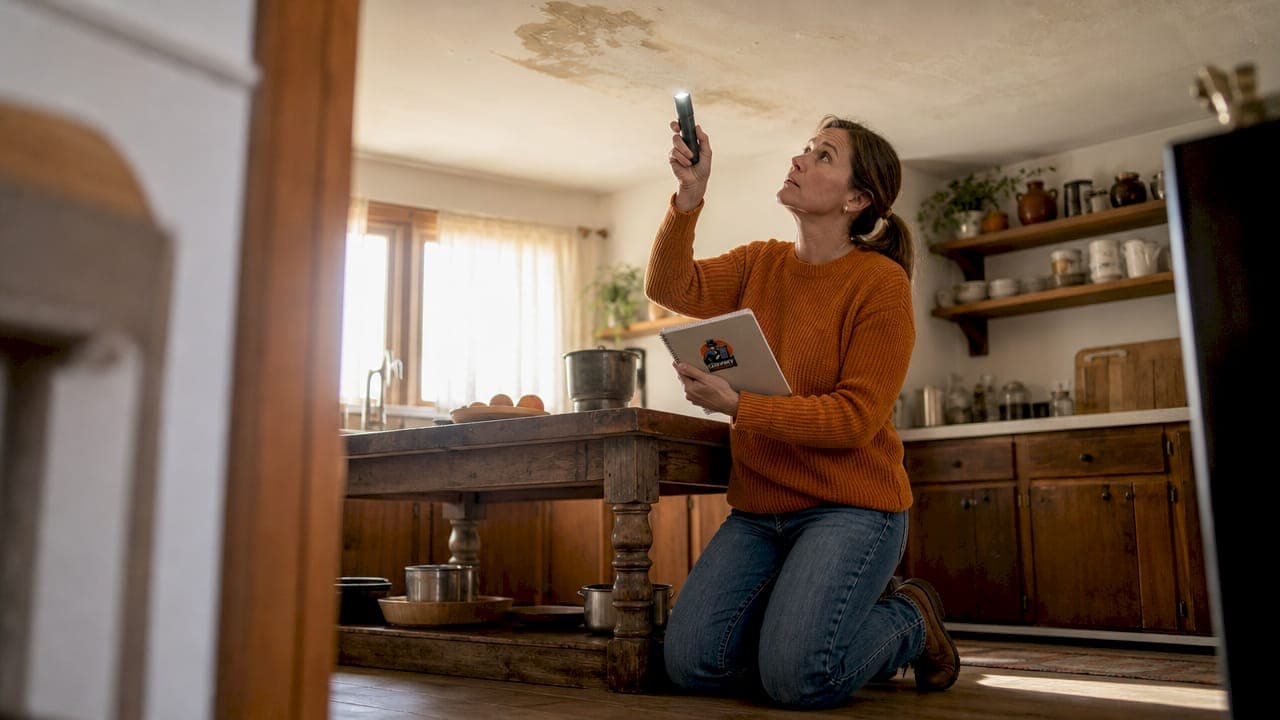
A chimney leak causes water to infiltrate your home's structural cavities, damaging interior walls, ceilings, framing, and insulation, often triggering mold growth and decay long before you see any visible signs. The industry term for this process is water intrusion, and it describes how moisture bypasses compromised chimney components and migrates deep into your home's structure. Understanding how chimney leak damages home interior surfaces and hidden framing is the first step toward protecting your property from a problem that worsens with every rain cycle. The key components involved are the flashing, chimney crown, mortar joints, and flue liner. When any one of these fails, water finds a path inside.
How does a chimney leak damage your home's interior?
Water enters your home through several specific failure points in the chimney system. Leaking chimneys damage interior ceilings and walls by migrating through compromised flashing or deteriorated mortar joints into structural cavities, where it saturates insulation and wooden framing. The damage rarely stays contained to one spot. Water follows the path of least resistance, traveling along framing members, soaking through insulation batts, and pooling inside wall cavities far from the original entry point.
The most vulnerable chimney components include:
- Flashing: The metal seal between the chimney and roof deck. When flashing lifts, corrodes, or separates, rainwater channels directly into the roof-wall junction.
- Chimney crown: The concrete cap at the top of the chimney stack. A cracked chimney crown allows water ingress and risks chimney collapse, with freeze-thaw cycles expanding cracks over time.
- Mortar joints: The binding material between masonry units. Spalling or cracked mortar absorbs water and transfers it inward.
- Flue liner: Cracks in the liner allow moisture to seep into the surrounding chase and adjacent wall framing.
Once water enters through any of these points, it saturates insulation and wooden framing, causing hidden deterioration. The damage often isn't visible until staining or odors appear, indicating significant interior harm has already occurred.
Pro Tip: After heavy rain, check the ceiling and wall surfaces directly adjacent to your fireplace. Early water staining in those spots is your first reliable indicator of active flashing or crown failure.
What are the signs of chimney leak damage inside your home?
Recognizing the effects of chimney leaks early can save you thousands in repair costs. The signs follow a predictable progression, starting subtle and becoming unmistakable as moisture accumulates.
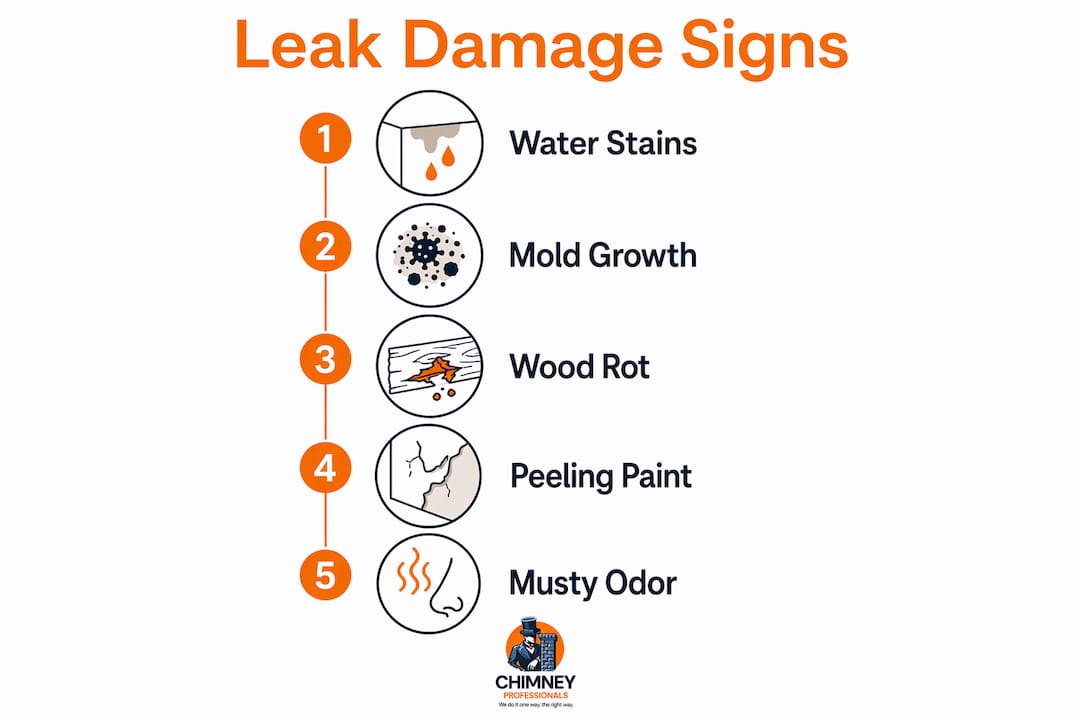
- Water stains on ceilings or walls near the fireplace. Brown or yellow discoloration is the most common first sign. Stains that reappear after painting confirm an active leak rather than an old, resolved one.
- Peeling paint or bubbling wallpaper. Moisture trapped behind wall surfaces causes paint to lose adhesion and wallpaper to separate. This typically appears within a few feet of the chimney chase.
- Musty or damp odors near the fireplace. A persistent musty smell, especially after rain, signals moisture accumulation inside wall cavities or in the firebox itself. Interior leak signs like musty odors and firebox damage indicate moisture has already penetrated deep into the structure.
- Efflorescence on the fireplace surround. White, chalky deposits on brick or stone indicate water is moving through the masonry and depositing minerals on the surface.
- Damaged or deteriorating firebox walls. Spalling brick, crumbling mortar, or rust stains inside the firebox all point to chronic moisture exposure inside the chimney system.
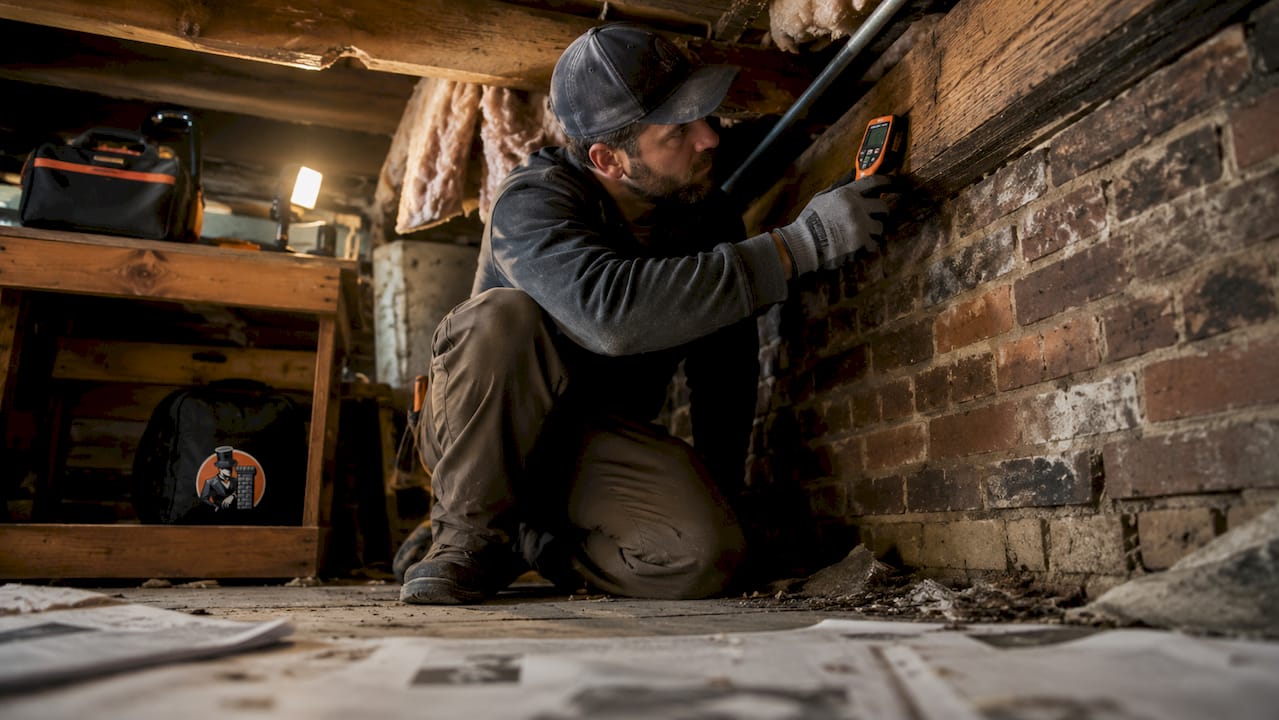
- Wet insulation in the attic near the chimney. If you have attic access, compressed or discolored insulation around the chimney base is a clear sign of water intrusion from above.
A leak may start small but will progress and damage your home if ignored. The timing matters too. Signs typically appear within one to three rain events after a failure point develops, but hidden moisture can accumulate for weeks before surface symptoms show.
What are the hidden dangers of mold and structural decay from chimney leaks?
The visible signs of a chimney leak are concerning. The hidden consequences are far more serious. Water trapped behind drywall saturates insulation and wooden framing, creating conditions for mold growth and structural rot that can persist for months without detection.
Mold begins colonizing wet organic materials within 24 to 72 hours of moisture exposure. Wood framing, drywall paper, and insulation are all ideal growth substrates. Once established, mold spreads through spores that circulate in your home's air, creating respiratory risks for occupants, particularly those with asthma or allergies. The EPA's guidance on mold control is direct: fix the water source and dry affected materials within 24 to 48 hours, keeping indoor humidity below 60% to reduce mold risk.
Drywall can hold elevated moisture behind its surface despite appearing dry to the touch. This hidden moisture allows mold to persist and must be fully addressed before any cosmetic repairs are made. Painting over a stain without fixing the leak source is one of the most common and costly mistakes homeowners make.
| Hidden Risk | What It Means for Your Home |
|---|---|
| Mold behind drywall | Spores spread through HVAC systems, affecting air quality throughout the house |
| Rotted wood framing | Structural members lose load-bearing capacity, requiring costly replacement |
| Saturated insulation | Wet insulation loses R-value and becomes a permanent moisture reservoir |
| Compromised drywall | Paper backing feeds mold colonies even after surface drying |
Structural decay from wet framing is a slower process than mold but equally serious. Wood that stays wet for extended periods develops rot, reducing its load-bearing capacity. In severe cases, wall framing near the chimney chase can deteriorate to the point where it requires full replacement rather than simple repair.
Pro Tip: If you suspect hidden moisture, a professional can use a thermal imaging camera or moisture meter to detect wet framing and insulation behind drywall without opening walls. This diagnostic step saves significant time and money.
When cleaning visible mold, the EPA recommends using N-95 respirators and gloves, and notes that bleach is not recommended for porous materials, which may need removal if not dried properly. This is not a job for a damp cloth and a can of spray cleaner.
How does chimney leak damage compare to other types of water intrusion?
Not all water intrusion problems behave the same way, and understanding the differences helps you prioritize repairs correctly.
| Water Intrusion Type | Damage Location | Detection Difficulty | Repair Urgency |
|---|---|---|---|
| Chimney leak | Walls and ceilings near fireplace, wall cavities | High. Water travels concealed along framing | High. Masonry and flashing failures worsen quickly |
| Roof leak | Attic, ceiling below damaged shingles | Moderate. Attic access helps | High. Active during every rain event |
| Plumbing leak | Walls near pipes, under floors | Moderate to high | Very high. Can cause continuous water flow |
| Window leak | Wall cavities below window frame | Moderate | Moderate. Typically seasonal |
Chimney leaks are particularly difficult to detect because water travels concealed beneath drywall, following framing and insulation, making the actual damage area wider than visible surface stains suggest. A homeowner might see a small stain near the fireplace and assume the problem is localized, when in reality moisture has spread several feet in multiple directions inside the wall cavity.
Chimney masonry also presents a unique vulnerability. Brick and mortar are porous materials that absorb water during rain and release it slowly. This means the chimney itself acts as a water reservoir, delivering moisture to interior surfaces even hours after rain stops. Roof leaks, by contrast, tend to be more directly tied to active rainfall.
What steps should homeowners take to detect and address chimney leaks?
Protecting your home's interior from water damage from chimney failures requires a combination of regular monitoring, professional inspection, and timely repairs.
- Schedule annual chimney inspections. A certified chimney inspector can identify failing flashing, cracked crowns, deteriorated mortar, and liner damage before they cause interior damage. The signs you need chimney repair are often visible to a trained eye long before they become visible to you.
- Inspect your attic after heavy rain. Check insulation and framing near the chimney base for moisture, compression, or discoloration. This is one of the fastest ways to catch a developing leak early.
- Monitor interior walls and ceilings seasonally. Look for new stains, paint changes, or odors near the fireplace, particularly in fall and spring when temperature swings stress masonry materials.
- Repair flashing, crown, and mortar promptly. DIY repairs often worsen chimney damage by trapping moisture. Incorrect sealing with common caulks can accelerate deterioration rather than stop it.
- Invest in professional chimney waterproofing. Applying a vapor-permeable waterproofing treatment to masonry surfaces reduces water absorption without trapping existing moisture inside the brick.
- Keep gutters and downspouts clear. Overflowing gutters deposit water at the roof-chimney junction, accelerating flashing failure and increasing leak risk.
- Call a specialist for any active leak. Professional diagnosis is needed to locate exact leak points because homeowners typically see indoor symptoms only after water has already bypassed flashing or mortar.
Treating visible water stains without fixing the chimney's water entry points leads to recurrent interior damage and escalating repair costs. The cosmetic fix is never the real fix.
Key takeaways
A chimney leak causes progressive interior damage by allowing water to infiltrate wall cavities, saturate framing and insulation, and create conditions for mold growth and structural decay that often remain hidden until significant harm has occurred.
| Point | Details |
|---|---|
| Water entry points | Flashing, chimney crown, mortar joints, and flue liner are the primary failure points that allow water inside. |
| Hidden damage risk | Moisture travels along framing behind drywall, spreading damage well beyond visible surface stains. |
| Mold timeline | Mold begins growing within 24 to 72 hours of moisture exposure on organic materials like wood and drywall. |
| DIY risk | Incorrect sealing with standard caulks traps moisture and accelerates chimney deterioration. |
| Prevention priority | Annual professional inspections and prompt flashing or crown repairs are the most cost-effective protection. |
Why we think waiting on a chimney leak is the most expensive decision you can make
After years of inspecting chimneys across the Dallas-Fort Worth area, the pattern we see most often is not neglect. It is delay. Homeowners notice a small stain near the fireplace, assume it was a one-time event, and wait to see if it comes back. By the time they call us, the moisture has been working behind the drywall for months.
The misconception we hear most is that a chimney leak is a roofing problem. It is not. It is a masonry problem, a flashing problem, or a crown problem, and each of those requires a different repair approach. A roofer who patches shingles near the chimney without addressing the flashing seal has not fixed the leak. We have seen that scenario play out dozens of times.
What we tell every homeowner is this: the water you can see is a fraction of the water that is actually there. Invisible moisture penetration behind surfaces causes the most severe damage, and it requires specialists to detect and remediate effectively. Waiting for the stain to get bigger before acting is not a cost-saving strategy. It is a cost-multiplying one.
The other thing worth saying directly is that chimney waterproofing is not optional maintenance for older homes in North Texas. Our climate delivers significant rain events followed by heat that drives moisture deeper into masonry. That cycle repeats every season. A waterproofed chimney with intact flashing and a sound crown is not just a comfort item. It is structural protection.
— Chimney Professional Services
Protect your Dallas home with expert chimney leak repair

Chimney Professional Services provides certified chimney leak repair across the Dallas-Fort Worth Metroplex, stopping water intrusion at the source before it reaches your walls and ceilings. Our team handles flashing replacement, tuckpointing, chimney crown repair, and full masonry restoration, all performed by certified chimney inspectors who know exactly where water hides. We also offer chimney masonry repair for homeowners dealing with spalling brick or deteriorated mortar joints that are feeding moisture into interior cavities. We are open daily from 8 AM to 8 PM to work around your schedule. Contact Chimney Professional Services today to book your inspection and stop the damage before it spreads.
FAQ
What parts of a chimney cause interior water damage?
Flashing, the chimney crown, mortar joints, and the flue liner are the four primary failure points. When any of these deteriorates, water enters the chimney system and migrates into wall and ceiling cavities.
How quickly does mold grow after a chimney leak?
Mold begins colonizing wet organic materials within 24 to 72 hours of moisture exposure. The EPA recommends drying affected areas and fixing the water source within 24 to 48 hours to reduce mold risk.
Can I repair a chimney leak myself?
DIY chimney repairs frequently worsen the problem. Incorrect sealing with standard caulks can trap moisture inside masonry and accelerate deterioration, making professional inspection and repair the more reliable and cost-effective choice.
Why does chimney leak damage spread beyond the fireplace area?
Water travels concealed along framing and insulation behind drywall, spreading damage well beyond the visible stain. The actual affected area is almost always larger than what appears on the surface.
How often should I have my chimney inspected to prevent interior damage?
Annual inspections by a certified chimney inspector are the standard recommendation. Inspections after major storms are also advisable, particularly if you notice new stains or odors near the fireplace following heavy rain.