
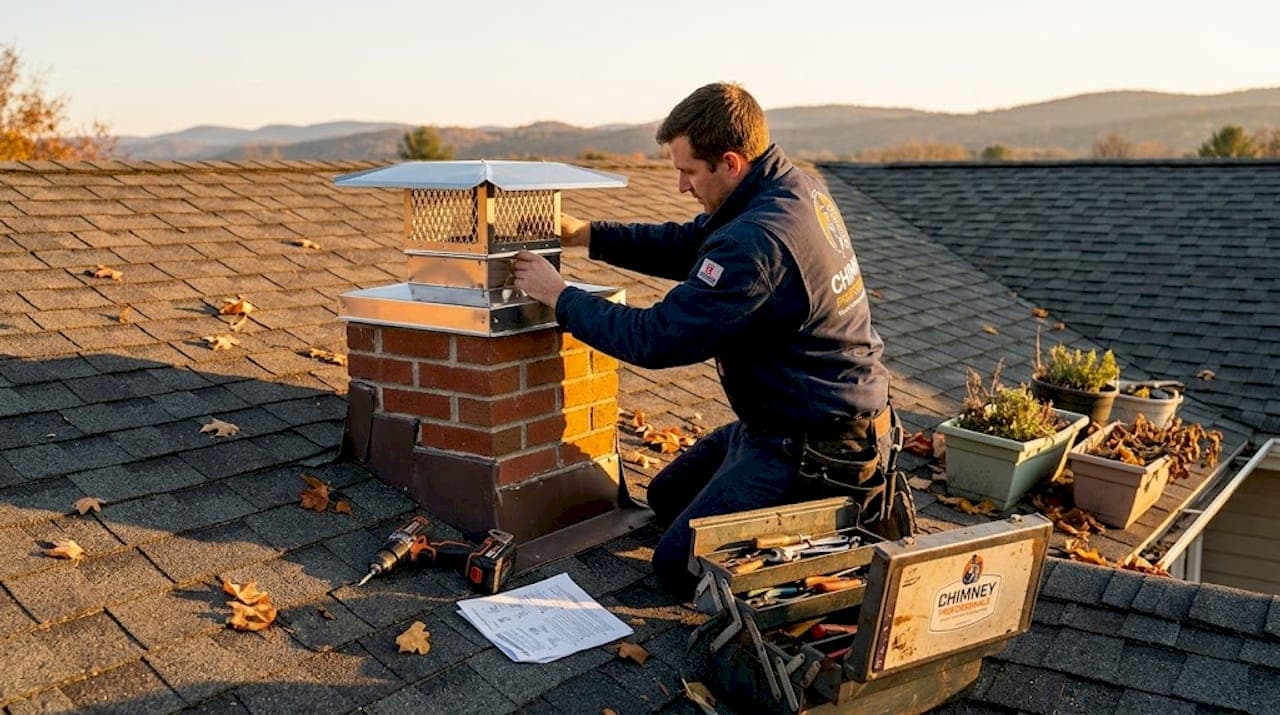
Most homeowners treat a chimney cap as an afterthought, a small metal piece sitting on top of the chimney that came with the house or gets replaced when it rusts out. But why chimney cap installation matters goes far beyond that. A missing or damaged cap exposes your chimney to water infiltration, animal invasions, dangerous backdrafts, and fire hazards that can cost thousands of dollars to fix. This article breaks down what a chimney cap actually does, which type is right for your home, and what happens when installation goes wrong.
Table of Contents
- Key takeaways
- Why chimney cap installation matters for home safety
- Choosing the right chimney cap type
- Risks of improper installation or no cap at all
- Maintenance and inspection for long-term protection
- Our perspective on chimney cap necessity
- Protect your chimney with expert installation
- FAQ
Key takeaways
| Point | Details |
|---|---|
| Caps block multiple threats | A single chimney cap guards against water, animals, sparks, and drafts simultaneously. |
| Material and fit both matter | Choosing the wrong size or material leads to draft problems, leaks, and early cap failure. |
| DIY installation carries serious risk | Improper sizing can cause carbon monoxide backdrafts into your living space. |
| Annual inspection is non-negotiable | Checking for rust, clogs, and looseness every year keeps your chimney safe and functional. |
| Professional installation pays off | Certified installers catch hidden flue and crown issues that homeowners routinely miss. |
Why chimney cap installation matters for home safety
A chimney cap sits directly over the flue opening at the top of your chimney. It looks simple, but it performs several protective functions at once, and understanding them changes how seriously you take this small component.
Water damage prevention
Water intrusion from an uncapped chimney causes rust on the damper, mortar deterioration, mold growth inside the flue, and spalling of the chimney crown. Rain and snow fall directly into an open flue and saturate the masonry over time. Once moisture gets into brickwork and freezes, it expands and cracks the material from the inside out. The repair bills for that kind of damage easily run into the thousands.
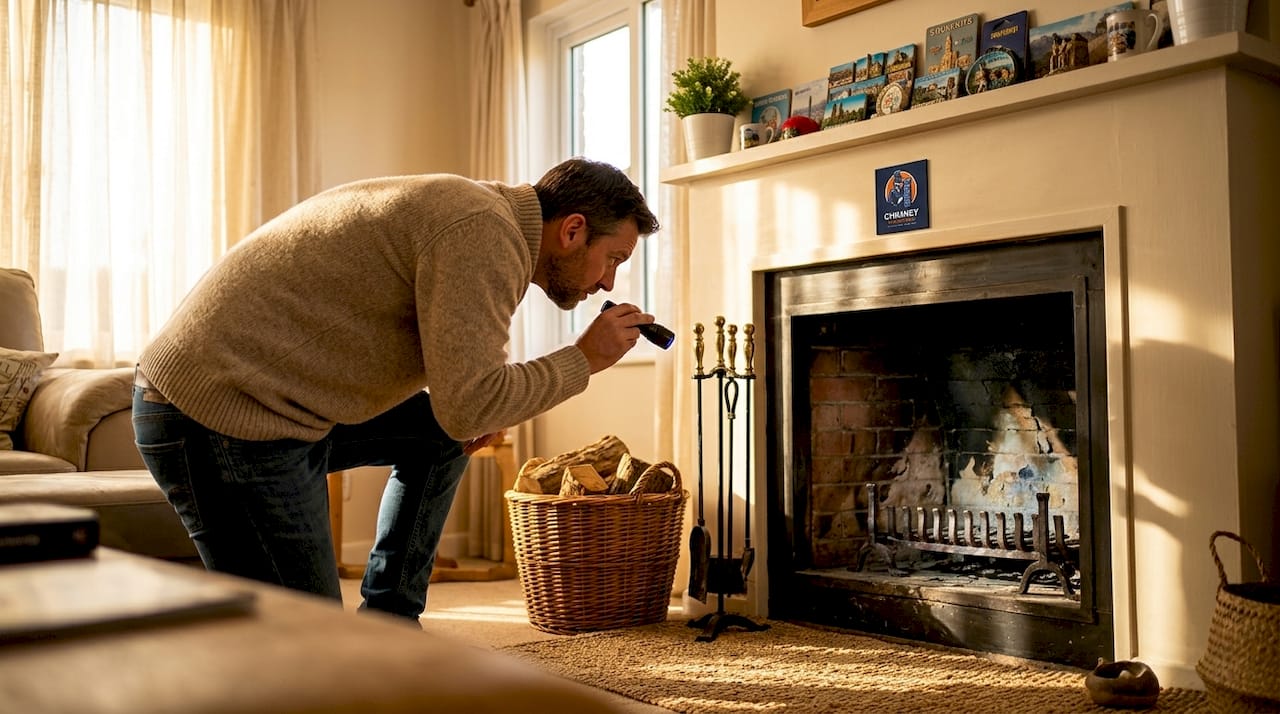
The chimney crown, the concrete or mortar slab that seals the top of the chimney, is especially vulnerable. Professional chimney inspectors report that the vast majority of residential chimney crowns are not built to proper standards, which makes a well-fitted cap the primary defense against accelerated weather damage. You can learn more about that vulnerability in this chimney crown repair guide for homeowners.
Animal exclusion and fire hazard reduction
Animals actively seek warm chimney interiors during cold months. Birds, squirrels, and raccoons nest inside flues, leaving behind debris that blocks airflow and creates serious fire hazards. Beyond the blockage risk, decomposing animals and nesting material produce foul odors that filter into your living space.
Chimney caps with mesh screens also function as spark arrestors. Hot embers from a wood fire can travel up the flue and exit the chimney opening, landing on your roof, nearby trees, or a neighbor's property. A properly installed mesh screen contains those sparks before they leave the chimney.
Draft control and indoor air quality
Chimney caps reduce downdrafts that push smoke and ash backward into the room instead of drawing combustion gases up and out. Strong wind across the top of an uncapped flue creates negative pressure that reverses the airflow. You end up with smoke-filled rooms, soot deposits on walls and furniture, and elevated indoor carbon monoxide levels.
Pro Tip: If you notice smoke backing into the room even with a clean flue and open damper, a missing or damaged chimney cap is the first thing to check before assuming the fireplace itself has a problem.
Here is a quick overview of the core benefits of chimney cap installation:
- Blocks rain and snow from entering the flue
- Prevents freeze-thaw damage to the chimney crown and masonry
- Keeps birds, squirrels, and raccoons out of the flue
- Contains sparks before they exit the chimney
- Stabilizes draft and prevents smoke backflow into living areas
- Protects the flue liner from moisture-driven deterioration
Choosing the right chimney cap type
Not all chimney caps work the same way, and picking the wrong type for your chimney creates new problems while solving old ones. The main variables are the cap style and the material it is made from.
Cap styles compared
| Cap Style | Best For | Key Advantage | Potential Drawback |
|---|---|---|---|
| Single-flue cap | Single opening, standard flue size | Affordable and easy to fit | Does not protect the crown or surrounding masonry |
| Multi-flue cap | Chimneys with two or more flues | Covers entire chimney top in one unit | More expensive; professional sizing required |
| Outside mount cap | Damaged or non-standard flue openings | Protects crown as well as the flue | Improper fit can restrict draft |
| Specialty or top-mount cap | High-wind areas or unique chimney geometry | Superior wind resistance and draft stability | Higher cost; requires precise installation |
Material options
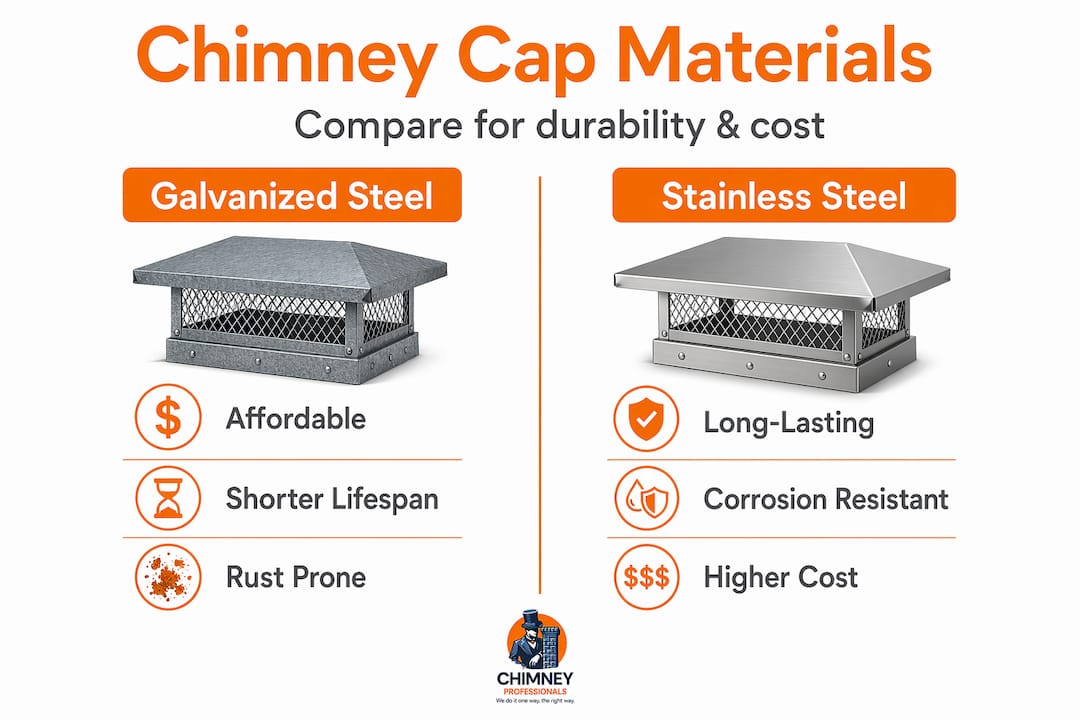
Galvanized steel is the most common and affordable option, but it corrodes faster in humid climates and typically lasts around five to ten years. Stainless steel costs more upfront but resists rust and can last for decades with minimal maintenance. Copper caps are the most durable and develop a natural patina over time, making them a popular choice for homeowners who want longevity without frequent replacement.
Proper chimney cap sizing requires the cap collar to sit at least eight inches above the flue tile to maintain adequate draft and prevent rain from blowing in sideways. A cap that sits too low restricts airflow; one that is too wide gets dislodged by wind. Getting those measurements right is one area where professional installation earns its cost.
Risks of improper installation or no cap at all
Skipping the chimney cap entirely or installing one incorrectly are both mistakes with real consequences. Here is what can go wrong, and why the order of severity matters.
- Carbon monoxide backdraft. Improper cap sizing restricts draft airflow and can cause carbon monoxide to enter the home instead of venting outside. This is the most dangerous outcome and the least visible.
- Accelerated flue liner damage. Damaged chimney flue liners hide severe fire risks that worsen without protective caps in place. Moisture entering an unprotected flue degrades the liner faster, creating gaps where heat and flames can reach combustible framing.
- Chimney fire risk. Creosote buildup combined with a damaged or absent cap creates the conditions for a chimney fire. Once the liner is compromised, a chimney fire can spread to the structure of the house.
- Water damage cascading into costly repairs. Missing or damaged caps accelerate deterioration of the entire chimney system, from the crown down through the mortar joints and into the firebox.
- Roof safety hazard during DIY work. Working on a rooftop without professional safety equipment is a fall risk that sends homeowners to the emergency room every year. A certified chimney technician has the right tools and training to work safely at that height.
Pro Tip: Never assume a chimney that looks intact from the ground is safe. Flue liner cracks and crown deterioration are invisible from street level. A camera inspection during your annual chimney sweep will catch what your eyes cannot.
Maintenance and inspection for long-term protection
Installing a chimney cap is not a set-it-and-forget-it solution. The cap itself needs regular attention to stay effective. Linking cap checks to your annual chimney sweep service is the most practical way to stay on top of it without scheduling a separate appointment.
Professionals recommend annual chimney cap inspections alongside routine chimney sweeps to catch problems before they compound. Here is what a proper cap inspection covers:
- Rust and corrosion. Surface rust on galvanized steel caps is a sign the cap is nearing the end of its service life. Once rust penetrates the mesh, the screen loses its ability to contain sparks.
- Mesh clogging. Creosote and debris accumulate on the mesh screen over time, restricting draft and trapping heat near the flue opening. Cleaning the screen during each chimney sweep prevents this buildup.
- Structural looseness. Wind and thermal expansion cause fasteners to loosen over time. A cap that shifts or rattles is a cap that will eventually blow off, leaving the flue completely open.
- Physical damage. Hail, falling branches, and animals can dent or break the cap body. Even a small breach in the cap housing lets water in at the worst possible angle.
- Crown condition beneath the cap. A cap in good shape sometimes masks a deteriorating crown underneath it. Inspectors should always check the crown surface when they assess the cap.
Replacing a worn cap at the scheduled inspection is far cheaper than repairing the water damage, flue liner cracks, or animal-related blockages that follow from letting a damaged cap sit. This kind of preventative upkeep is exactly what keeps your chimney extending your home's life rather than slowly draining it.
Our perspective on chimney cap necessity
I've inspected hundreds of chimneys across the Dallas-Fort Worth area, and the single most common preventable problem I see is a missing or neglected chimney cap. What surprises most homeowners is not the damage itself but how quietly it builds. There is no loud alarm when water seeps into the flue liner. There is no visible sign when creosote-coated mesh starts restricting draft. By the time homeowners notice something is wrong, the repair cost has already multiplied.
What I've learned is that conventional wisdom seriously underestimates chimney cap necessity. Most people treat caps as weather guards, which they are. But the carbon monoxide risk from a poorly installed cap is the part that keeps me direct with every homeowner I work with. A cap that sits too low or fits the wrong flue diameter does not just fail to protect. It actively creates danger by disrupting the draft that carries combustion gases out of the home.
My take is this: a certified chimney inspection paired with a professionally installed, correctly sized cap is one of the most cost-effective safety investments a homeowner can make. It protects the masonry, the liner, the crown, and the people inside. Skipping it to save a few hundred dollars is a trade that rarely works out.
— chimneyprofessionalservices
Protect your chimney with expert installation
At Chimney Professional Services, we handle chimney cap installation, replacement, and full system inspections for homeowners across the Dallas-Fort Worth Metroplex. Every job is performed by a certified chimney inspector, and we work daily from 8 AM to 8 PM to fit your schedule.
If your cap is missing, rusted, or past its service life, now is the right time to act. A damaged cap often signals deeper issues, and our team can identify and address chimney water damage and masonry deterioration before they become emergency repairs. We also offer professional cap replacement with precise fitting for single-flue and multi-flue chimneys. Contact Chimney Professional Services today to schedule your inspection.
FAQ
What does a chimney cap actually do?
A chimney cap covers the flue opening to block rain, snow, animals, and wind-driven downdrafts, while the mesh screen contains sparks that exit during wood fires.
Can I install a chimney cap myself?
DIY installation is possible but carries serious risk. Improper sizing can restrict draft and cause carbon monoxide backdrafts into the home, making professional installation the safer choice.
How often should a chimney cap be replaced?
Galvanized steel caps typically last five to ten years; stainless steel and copper caps can last significantly longer. Annual inspections help you catch wear before it causes damage.
What happens if I leave my chimney without a cap?
An uncapped chimney is exposed to water intrusion, animal nesting, spark escape, and downdraft problems, all of which accelerate chimney deterioration and increase fire and carbon monoxide risk.
How does a chimney cap protect against carbon monoxide?
A correctly sized and installed cap maintains proper draft so combustion gases vent upward and out. When the cap is damaged or improperly fitted, draft disruption can push carbon monoxide back into the living space.