
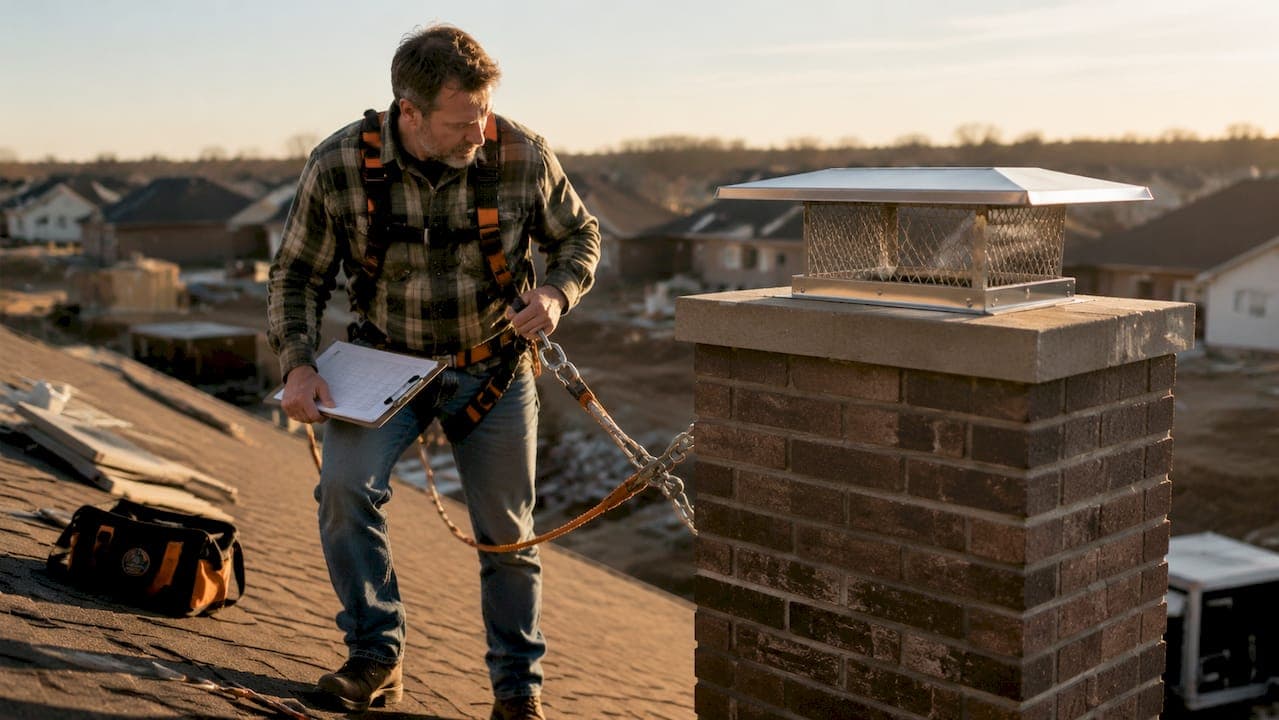
A chimney cap is a protective cover installed over your chimney's flue opening to block water, animals, debris, and sparks from entering your home. For new homeowners, understanding the role of a chimney cap in a new home is one of the most practical steps you can take toward protecting your property from the start. A properly fitted cap protects the flue and home interior from weather, pests, and fire risk simultaneously. Skipping this single component can lead to liner damage, mold growth, pest infestations, and roof fires. The good news is that chimney caps are among the most cost-effective protective investments available to new homeowners.
What is the role of a chimney cap in a new home?
A chimney cap sits at the top of the flue, covering the opening while still allowing combustion gases to exit freely. It serves three primary functions: moisture control, pest exclusion, and spark containment. These three functions work together to protect both the chimney structure and the living space below. Without a cap, your flue is an open channel that invites every rainstorm, curious raccoon, and wind-blown ember directly into your home.
New homeowners often assume that a newly built chimney is automatically equipped with a cap. That assumption is frequently wrong. Builders sometimes omit caps to reduce upfront costs, and even when caps are included, they may not be the right type for your specific fireplace system. Verifying cap installation during your home inspection is a step that pays for itself many times over.
How chimney caps prevent water damage and structural deterioration
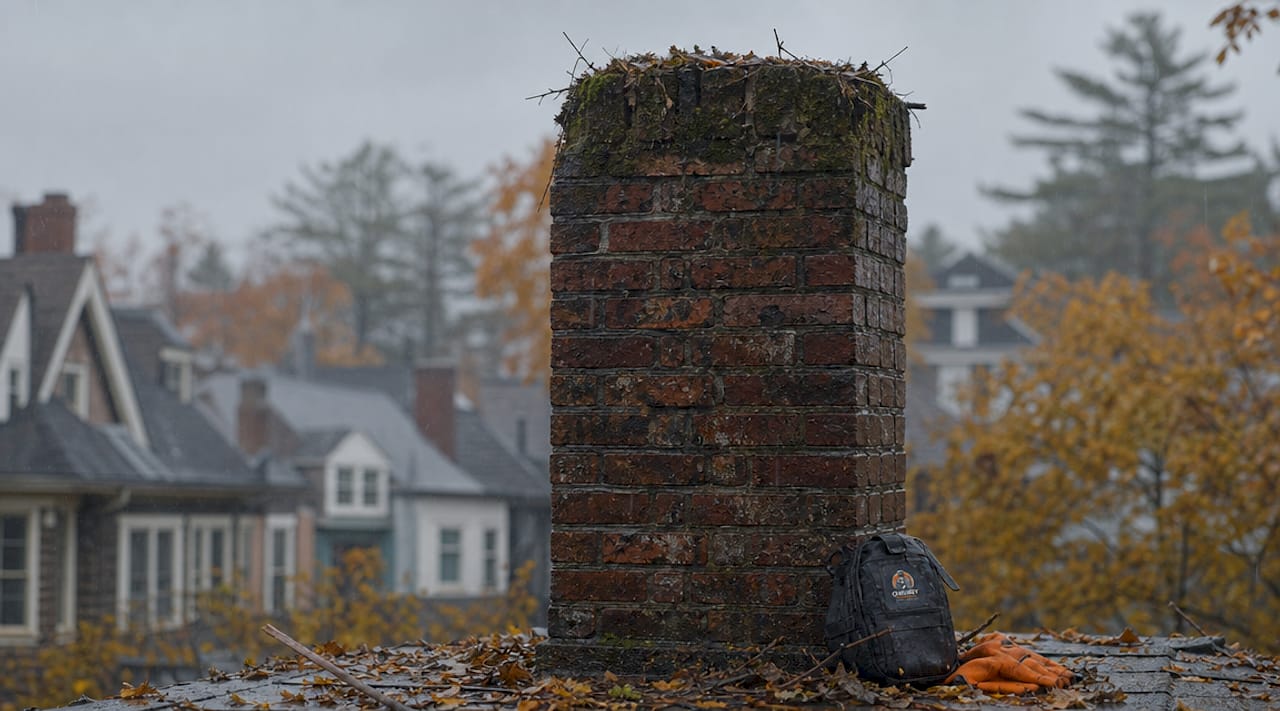
Water is the most persistent threat to any chimney system, and an uncapped flue gives it direct access. Uncapped chimneys suffer from water infiltration that leads to liner damage, masonry spalling, and mold growth inside the flue and surrounding walls. Each of these problems compounds over time, turning a minor oversight into a major structural repair.
Here is how moisture damage progresses without a chimney cap:
| Stage | What happens | Estimated repair cost |
|---|---|---|
| Early exposure | Water pools on the smoke shelf and flue liner | Low (cleaning only) |
| Moderate damage | Mortar joints erode, liner cracks begin | $500 to $1,500 |
| Advanced damage | Masonry spalling, mold in walls, flashing failure | $2,000 to $10,000+ |
The progression from early exposure to advanced damage can happen within two to three rainy seasons in climates like the Dallas-Fort Worth area, where storms are frequent and intense. A chimney cap creates a watertight barrier over the flue opening while leaving enough clearance for gases to vent properly. That simple barrier interrupts the entire damage cycle before it starts.
Pro Tip: If your new home has a fireplace, ask your home inspector to confirm whether the chimney cap is present, properly fitted, and free of rust or cracks. A damaged cap is nearly as problematic as no cap at all.
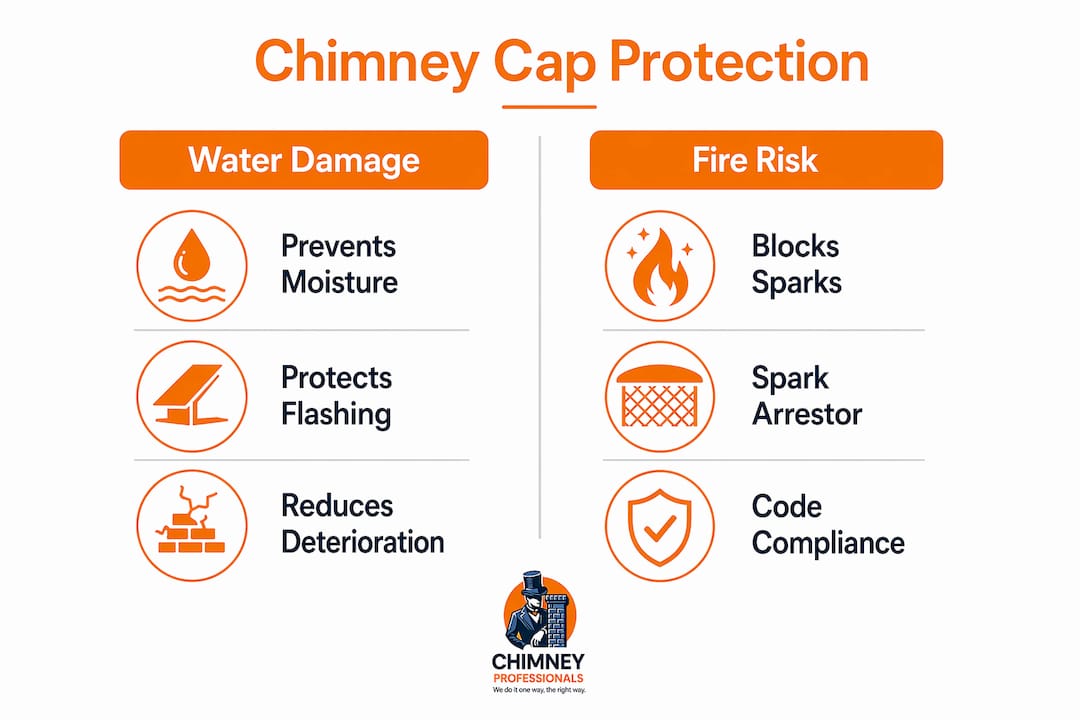
Chimney cap installation also protects the flashing, which is the metal seal between the chimney and the roof. When water runs freely into an uncapped flue, it accelerates flashing deterioration and can cause interior ceiling leaks that are often misdiagnosed as roof problems. Catching this early with a properly installed cap saves you from a much more expensive chimney leak repair down the road.
How do chimney caps reduce fire risk?
Chimney caps with mesh siding function as spark arrestors, containing hot embers that would otherwise land on your roof or nearby landscaping. Spark-arrestor functionality is especially critical for wood-burning fireplaces, where embers are a routine byproduct of combustion. A single ember landing on dry roofing material or a wood deck can start a fire within minutes.
The fire safety benefits of a chimney cap include:
- Containing live sparks and embers before they exit the flue
- Reducing the risk of roof fires caused by wind-blown combustion byproducts
- Preventing downdrafts from pushing hot ash back into the firebox and living area
- Blocking dry leaves and debris from accumulating inside the flue, where they become fuel
The International Residential Code, specifically IRC 2018 R1003.9.1, addresses chimney cap and spark arrestor requirements for residential construction. While not every jurisdiction enforces these provisions identically, the code reflects a clear safety standard: spark arrestors belong on wood-burning chimneys. Texas fire safety codes align with this position, and Chimney Professional Services verifies compliance on every inspection we conduct across the Dallas-Fort Worth Metroplex.
For new homeowners with wood-burning fireplaces, the spark arrestor function of a chimney cap is non-negotiable. Even if you use your fireplace only a few times per year, the risk during those sessions is real. A stainless steel cap with a properly sized mesh screen provides reliable spark containment without restricting airflow or draft performance.
What animals and debris does a chimney cap keep out?
An uncapped chimney is an attractive shelter for wildlife, particularly during colder months. Raccoons, squirrels, birds, and bats are the most common intruders, and each creates a distinct set of problems once inside the flue. Chimney cap mesh prevents these animals from entering and causing blockages that lead to smoke backflow and odors in the home.
Here is a step-by-step look at what happens when animals enter an uncapped chimney:
- An animal enters the flue and builds a nest using leaves, twigs, and insulation material.
- The nest partially or fully blocks the flue, restricting the flow of combustion gases.
- Carbon monoxide and smoke back up into the living space when the fireplace is used.
- The animal may become trapped and die inside the flue, creating persistent odors.
- Removal requires professional cleaning and, in some cases, liner inspection for damage.
Debris blockages follow a similar pattern. Wind-blown leaves, twigs, and even roofing granules can accumulate inside an uncapped flue over a single season. The result is restricted draft, poor fireplace performance, and elevated creosote buildup risk.
Pro Tip: Even with a chimney cap installed, schedule an annual chimney inspection to check the mesh screen for corrosion, bent sections, or animal damage. A compromised screen defeats the purpose of having a cap at all.
Mesh size matters when selecting a cap for animal exclusion. A screen with openings larger than one inch allows small birds and bats to pass through. Most quality caps designed for residential use feature mesh openings between half an inch and one inch, which balances animal exclusion with adequate airflow. Chimney Professional Services can help you select the right mesh specification for your chimney type and local wildlife conditions in the DFW area.
How to choose a chimney cap for your new home
Selecting the right chimney cap depends on your fireplace type, chimney dimensions, and material preferences. Chimney caps come in stainless steel and copper, with copper offering greater aesthetic appeal and durability but at a higher price point. Stainless steel caps are the most practical choice for most new homeowners because they resist rust, handle temperature extremes well, and carry a lower upfront cost.
| Cap material | Durability | Approximate cost | Best for |
|---|---|---|---|
| Galvanized steel | 5 to 10 years | $20 to $80 | Budget-conscious buyers |
| Stainless steel | 15 to 25 years | $50 to $200 | Most residential chimneys |
| Copper | 50+ years | $200 to $600+ | Historic homes, premium builds |
Compatibility is the most critical factor in cap selection. Masonry fireplaces accept most chimney caps, but direct vent and prefab fireplaces require manufacturer-approved caps. Using an unapproved cap on a prefab system can void the manufacturer warranty and create safety issues by altering the designed venting pressure. Always verify your fireplace type before purchasing a cap.
Key factors to confirm before buying a chimney cap:
- Flue dimensions (measure the outer dimensions of the flue tile or liner)
- Fireplace type (masonry, prefab, or direct vent)
- Manufacturer approval requirements for prefab or direct vent systems
- Local building code requirements for spark arrestor mesh size
On the installation side, professional chimney cap installation typically takes 30 to 60 minutes, with total installed costs ranging from $200 to $500 depending on cap type and size. That cost is modest compared to the repair bills that follow from leaving a chimney uncapped. For new homeowners unfamiliar with roof access and chimney anatomy, professional installation also eliminates the risk of an improper fit that compromises the cap's protective function. You can learn more about chimney cap installation and why it matters for long-term home protection.
Key takeaways
A chimney cap is the single most cost-effective protective device a new homeowner can add to a chimney system, preventing water damage, pest intrusion, and fire hazards simultaneously.
| Point | Details |
|---|---|
| Water damage prevention | A properly fitted cap stops moisture infiltration that causes liner cracks, spalling, and mold. |
| Fire safety function | Mesh-sided caps act as spark arrestors, containing embers before they reach the roof. |
| Pest and debris exclusion | Caps with half-inch to one-inch mesh block raccoons, squirrels, birds, and debris accumulation. |
| Material and compatibility | Stainless steel suits most homes; prefab and direct vent systems require manufacturer-approved caps. |
| Installation cost vs. repair cost | Professional installation runs $200 to $500, far less than uncapped chimney repair bills. |
Our take on chimney caps as a new homeowner priority
We have inspected thousands of chimneys across the Dallas-Fort Worth area, and one pattern repeats itself constantly. New homeowners invest heavily in appliances, flooring, and landscaping, then overlook the chimney entirely until something goes wrong. By the time we are called in, the damage is rarely limited to the cap itself. We are usually looking at liner deterioration, mortar erosion, or water stains on interior walls that trace back to years of uncapped exposure.
The misconception we hear most often is that chimney caps are optional accessories rather than functional components. Chimney caps reduce multiple risks simultaneously, covering water, pests, and fire hazards in a single installation. That combination of protection is rare in home maintenance, and it is available for a few hundred dollars. No other single component on a chimney delivers that breadth of protection at that price point.
Our recommendation is straightforward. If you are moving into a new home with a fireplace, verify the chimney cap condition before your first fire. If a cap is missing or damaged, schedule installation before the first rainstorm or the first time you light the fireplace. Waiting costs more than acting early. We also recommend pairing cap installation with a full chimney inspection so you have a clear baseline for the system's condition from day one of ownership.
— chimneyprofessionalstx
Get expert chimney cap installation from Chimney Professional Services
Chimney Professional Services provides certified chimney cap installation, inspection, and repair across the Dallas-Fort Worth Metroplex, with appointments available daily from 8 AM to 8 PM.
Whether your new home needs a first-time cap installation, a replacement for a damaged unit, or a full chimney assessment to catch problems early, our certified inspectors deliver guaranteed workmanship on every job. We handle chimney masonry repair and fireplace repair alongside cap installation, so you get a complete picture of your chimney's health in a single visit. Contact Chimney Professional Services today to schedule your appointment and protect your home from day one.
FAQ
What does a chimney cap do for a new home?
A chimney cap covers the flue opening to block water, animals, debris, and sparks from entering the chimney and home. It also functions as a spark arrestor to reduce fire risk from wood-burning fireplaces.
Should I install a chimney cap if my home is newly built?
Yes. New construction does not guarantee a properly fitted chimney cap is in place, and some builders omit them to cut costs. Verify cap installation during your home inspection and add one before your first fire if it is missing.
What chimney cap types work best for new homes?
Stainless steel caps suit most residential masonry chimneys and offer a balance of durability and cost. Direct vent and prefab fireplace systems require manufacturer-approved caps to maintain safety and warranty compliance.
How much does chimney cap installation cost?
Professional chimney cap installation typically costs between $200 and $500 total, including labor and the cap itself. Labor alone runs approximately $100 to $200 for a standard installation completed in 30 to 60 minutes.
How often should I inspect or replace my chimney cap?
Annual chimney inspections should include a cap check for rust, bent mesh, and proper fit. Galvanized steel caps may need replacement every 5 to 10 years, while stainless steel caps can last 15 to 25 years with proper maintenance.