
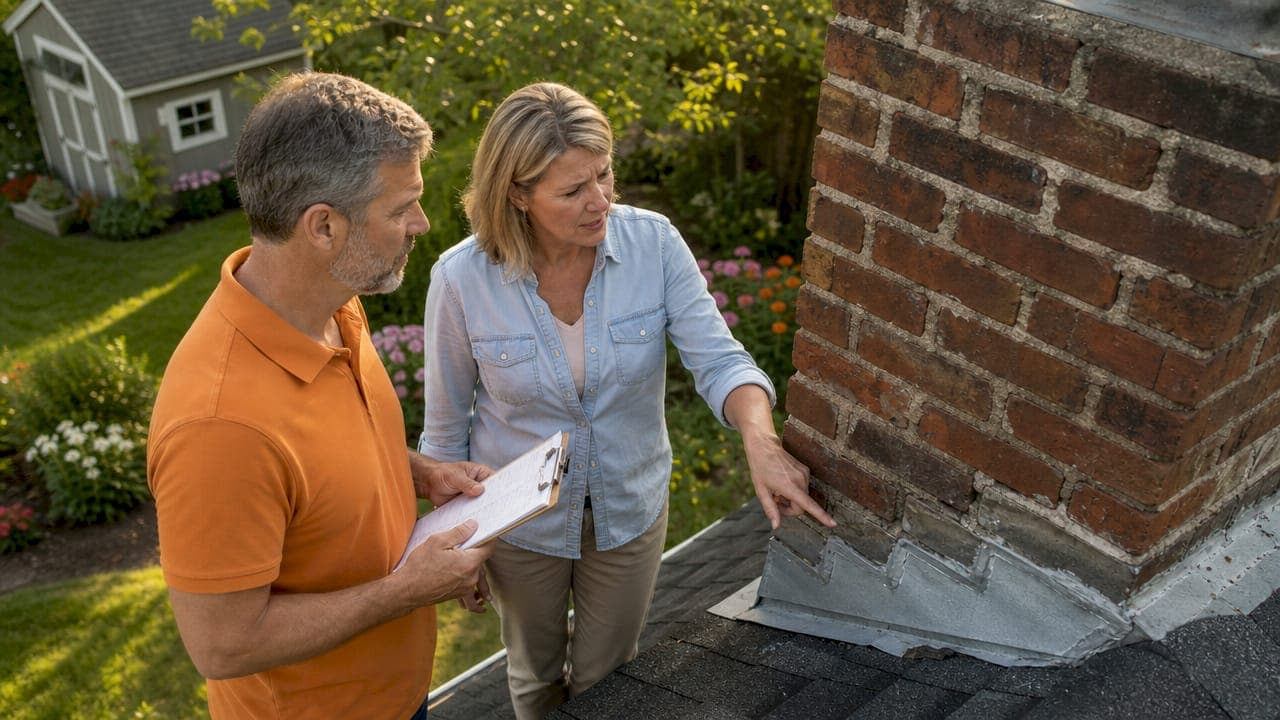
Hidden chimney defects in new homes are structural and safety failures inside or around the chimney system that standard home inspections cannot detect without specialized equipment. NFPA 211 mandates a Level 2 inspection upon every property transfer, specifically because visual checks miss internal problems like cracked flue liners, mortar joint failures, and concealed moisture damage. New homebuyers often assume a freshly built chimney is defect-free. That assumption is wrong, and it can be expensive. A professional chimney inspection using video scanning technology is the only reliable way to confirm your new home's chimney is safe before you light the first fire.
1. Common hidden chimney defects found in new construction
The most frequently discovered hidden chimney issues in new builds fall into five categories, and most are invisible to the naked eye.
- Cracked or missing flue liners. The flue liner channels combustion gases safely out of your home. IRC codes prohibit unlined masonry chimneys, requiring fireclay tile or listed insulated liner systems. Even a hairline crack in a fireclay tile liner allows carbon monoxide and heat to reach combustible framing materials. This is the defect most likely to cause a house fire or CO poisoning, and it is invisible without a camera.
- Poor mortar joints and masonry deterioration. Mortar joints between flue tiles or masonry blocks can be improperly filled during construction, leaving gaps that allow heat transfer and moisture infiltration. These gaps are concealed inside the flue and only appear on a video scan.
- Flashing failures. The metal flashing where the chimney meets the roofline is one of the most common points of water intrusion. Improperly sealed or incorrectly installed flashing in new construction allows water to seep into the chimney structure and surrounding framing, causing damage that stays hidden for months.
- Missing or damaged chimney caps. Missing chimney caps allow rain, birds, squirrels, and debris directly into the flue. Installing a cap costs $200 to $600, but a missing cap accelerates liner deterioration and can introduce nesting materials that create fire hazards.
- Smoke chamber and offset defects. Poorly parged smoke chambers and misaligned flue offsets are construction errors that restrict airflow and trap creosote. Video camera inspections reveal liner cracks, poor mortar joints, and smoke chamber damage that a visual check cannot find.
Pro Tip: Ask your builder for documentation of the flue liner installation before closing. If they cannot provide it, schedule a Level 2 inspection before you take possession.
2. Why a Level 2 chimney inspection is non-negotiable for new homebuyers
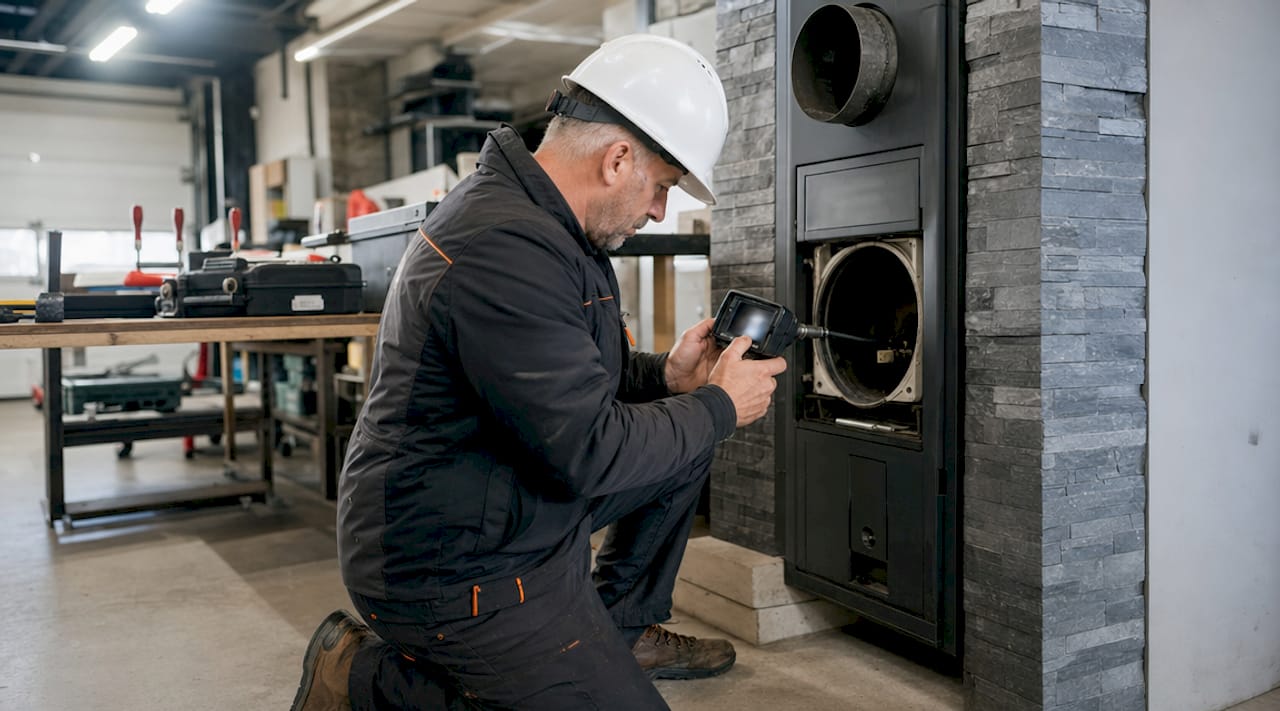
A Level 2 chimney inspection is the industry standard for property transfers, and it is defined by NFPA 211 as a condition-based requirement, not an optional upgrade.
The difference between inspection levels matters significantly. A Level 1 inspection is a visual check of accessible chimney components, appropriate for a chimney that has been in regular use with no changes. A Level 2 inspection adds a video camera scan of the entire flue interior, plus examination of accessible attic, crawl space, and basement areas where the chimney passes through. Level 2 inspections are required at every property transfer precisely because they document the chimney's condition at the moment of sale.
| Inspection type | Method | Best for | Detects hidden defects? |
|---|---|---|---|
| Level 1 | Visual only | Annual maintenance | No |
| Level 2 | Visual + video scan | Property transfer, system changes | Yes |
| Level 3 | Destructive access | Suspected serious damage | Yes, including concealed structure |
Standard snagging inspections and general home inspections cannot verify concealed chimney elements. Dedicated video scanning is necessary to detect defects inside the flue, and most general home inspectors do not carry chimney cameras. Relying on a snagging report for chimney safety is a documented risk.
A written inspection report with photo and video documentation does more than confirm safety. This documentation creates a defensible baseline for chimney condition at closing, which helps resolve future insurance claims or repair disputes. For new homebuyers in Texas, that legal protection alone justifies the cost of a professional inspection.
Pro Tip: Request that your Level 2 inspection report include timestamped video footage of the full flue interior. This footage is your strongest evidence if a builder disputes a warranty claim.
You can review the full scope of what this process involves in our Level 2 inspection guide before scheduling your appointment.
3. How exterior signs point to hidden chimney problems
Visible exterior clues are often the first warning that internal chimney damage exists. Knowing what to look for gives you leverage before and after closing.
Flashing condition. Chimney flashing is the metal seal between the chimney and the roof deck. Failed flashing and crown cracking allow water intrusion that damages masonry and concealed chimney components. In new construction, flashing is sometimes installed without proper step flashing at the sides, leaving gaps that are invisible from the ground but allow steady water infiltration.
Crown cracking. The chimney crown is the concrete cap that covers the top of the masonry chimney, leaving only the flue opening exposed. Cracks in the crown, even small ones, allow water to penetrate the masonry below. Water that freezes and thaws inside masonry accelerates deterioration rapidly, and the resulting internal damage is not visible until a camera scan is performed.
Watch for these exterior warning signs during your walkthrough or post-move inspection:
- White staining (efflorescence) on the chimney exterior, which signals moisture moving through the masonry
- Cracked or missing mortar between bricks on the chimney stack
- Rust stains near the flashing line, indicating metal corrosion from water contact
- Gaps or lifted sections in the flashing where it meets the chimney or roof
- A crown with visible surface cracks or missing sections at the edges
Spring is the best time for an exterior chimney inspection in the Dallas-Fort Worth area, because winter moisture cycles reveal damage that was not apparent at closing. Our detailed guide on chimney flashing repair covers the full range of failure modes and repair options.
4. Maintenance practices that prevent hidden defects from developing
Consistent maintenance after move-in is what separates a chimney that stays safe for decades from one that develops serious problems within a few years.
- Schedule creosote inspections annually. NFPA 211 specifies that creosote accumulation of 1/8 inch triggers mandatory cleaning. Creosote builds up inside the flue liner unseen, and at sufficient thickness it becomes a direct fire hazard. Annual sweeping by a certified chimney professional keeps accumulation below the danger threshold.
- Burn only seasoned hardwood. Green or wet wood produces significantly more creosote than properly dried hardwood. Seasoned oak, hickory, or ash burned in a hot fire produces less residue and reduces the rate at which the flue liner accumulates deposits.
- Keep the chimney cap installed and intact. A properly fitted cap with a spark arrestor screen blocks rain, animals, and debris. Check the cap visually each spring and after major storms. Replacement caps from manufacturers like HY-C or Gelco are widely available and cost far less than repairing a liner damaged by water intrusion.
- Operate the damper correctly. Open the damper fully before lighting a fire and leave it open until all embers are cold. Closing a damper over active coals forces carbon monoxide back into the living space. Inspect the damper plate annually for warping or corrosion, which are signs that heat levels inside the firebox have been excessive.
- Follow a tiered inspection schedule. Schedule a Level 1 inspection every year you use the fireplace. Schedule a Level 2 inspection any time you make changes to the heating system, after a chimney fire, or if you notice any of the exterior warning signs described above.
Pro Tip: Keep a simple log of each chimney service visit, including the technician's name, company, and findings. This record strengthens any future warranty or insurance claim and helps you track the inspection schedule accurately.
Key takeaways
Hidden chimney defects in new homes require a professional NFPA 211 Level 2 inspection with video scanning to detect, because visual checks and standard home inspections cannot identify internal flue liner cracks, mortar failures, or moisture damage before they become safety hazards.
| Point | Details |
|---|---|
| Level 2 inspection is required | NFPA 211 mandates video scan inspections at every property transfer, not just older homes. |
| Visual checks are insufficient | Standard snagging and home inspections cannot detect internal flue defects without camera equipment. |
| Exterior clues signal internal damage | Flashing failures, crown cracks, and efflorescence indicate hidden moisture intrusion inside the chimney. |
| Creosote is a hidden fire risk | NFPA 211 requires cleaning at 1/8 inch accumulation; buildup is invisible without professional measurement. |
| Documentation protects buyers legally | A written Level 2 report with video footage creates a defensible baseline for warranty and insurance disputes. |
What we've learned inspecting chimneys in new DFW homes
After years of inspecting chimneys across the Dallas-Fort Worth Metroplex, the pattern we see most often surprises new homebuyers every time. The chimney in a brand-new home is frequently the least inspected system in the entire structure. Buyers spend hours reviewing appliance warranties and HVAC documentation, then sign closing papers without a single camera ever going into the flue.
The misconception driving this is straightforward: new construction means new materials, and new materials mean no defects. What that logic misses is that chimney defects in new homes are almost always installation errors, not material failures. A flue liner installed with a misaligned joint, a smoke chamber left unparred, or flashing nailed rather than properly sealed are construction mistakes that exist from day one. They do not develop over time. They are present at closing, and they are waiting.
We have also seen buyers use inspection findings as real negotiating leverage. A documented Level 2 report showing a cracked liner or improperly installed flashing gives you a specific, costed repair item to bring back to the builder before you close. Builders respond to documentation. They do not respond to general concerns.
The buyers who protect themselves best are the ones who treat the chimney inspection the same way they treat the structural inspection: as a non-negotiable condition of purchase. The cost of a Level 2 inspection is a fraction of what a single liner repair or chimney rebuild costs. That math is not complicated.
— Chimney Professional Services
Protect your new home with a professional chimney inspection
At Chimney Professional Services, our certified inspectors serve the Dallas-Fort Worth Metroplex with NFPA 211 Level 2 chimney inspections that include full video scanning of the flue interior. We document every finding with photo and video evidence, giving you a clear picture of your chimney's condition and a written report you can use at closing or in a warranty dispute. Our team also handles chimney leak repair for flashing and crown failures, along with masonry repair for mortar joint deterioration and structural damage. We are open daily from 8 AM to 8 PM. Contact Chimney Professional Services today to schedule your inspection and protect your investment before the first fire.
FAQ
Are hidden chimney defects common in new homes?
Hidden chimney defects are more common in new construction than most buyers expect, because they result from installation errors rather than wear. Video scanning during a Level 2 inspection regularly reveals cracked flue tiles, poor mortar joints, and smoke chamber defects in newly built chimneys.
What does a Level 2 chimney inspection include?
A Level 2 inspection includes a visual examination of all accessible chimney components plus a video camera scan of the entire flue interior. NFPA 211 requires this inspection at every property transfer to document the chimney's condition and detect hidden defects.
Can a standard home inspection find chimney defects?
A standard home inspection cannot reliably detect internal chimney defects. General home inspectors do not carry chimney cameras, so flue liner cracks, mortar joint failures, and smoke chamber damage remain undetected without a dedicated chimney professional performing a Level 2 inspection.
How much does a chimney cap cost for a new home?
Installing a chimney cap typically costs between $200 and $600 depending on the cap size and material. A missing cap allows rain, animals, and debris into the flue, accelerating liner deterioration and creating fire hazards that cost far more to repair.
When should I schedule a chimney inspection after buying a new home?
Schedule a Level 2 chimney inspection before or immediately after closing on any home with a fireplace. NFPA 211 identifies property transfer as a mandatory trigger for this inspection level, and completing it before move-in gives you the strongest position for any builder warranty claims.