
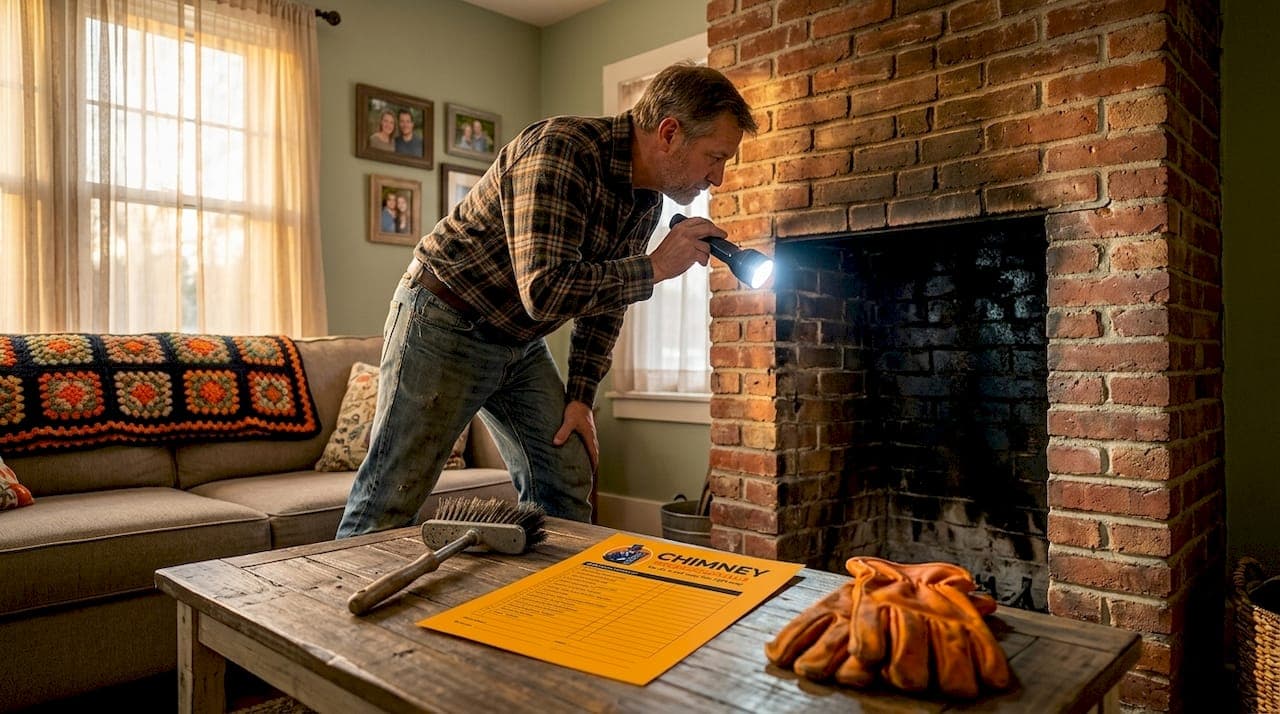
Proper indoor air quality chimney maintenance is defined as the scheduled inspection, cleaning, and repair of your chimney system to prevent combustion pollutants from entering your living space. A neglected chimney does not just create fire risk. It actively degrades the air your family breathes by allowing creosote particles, soot, carbon monoxide, and mold spores to circulate indoors. The EPA advises regular chimney upkeep as a direct measure to reduce exposure to harmful combustion pollutants. This guide walks you through every maintenance task, warning sign, and scheduling decision you need to protect your home.
What chimney maintenance tasks directly affect indoor air quality?
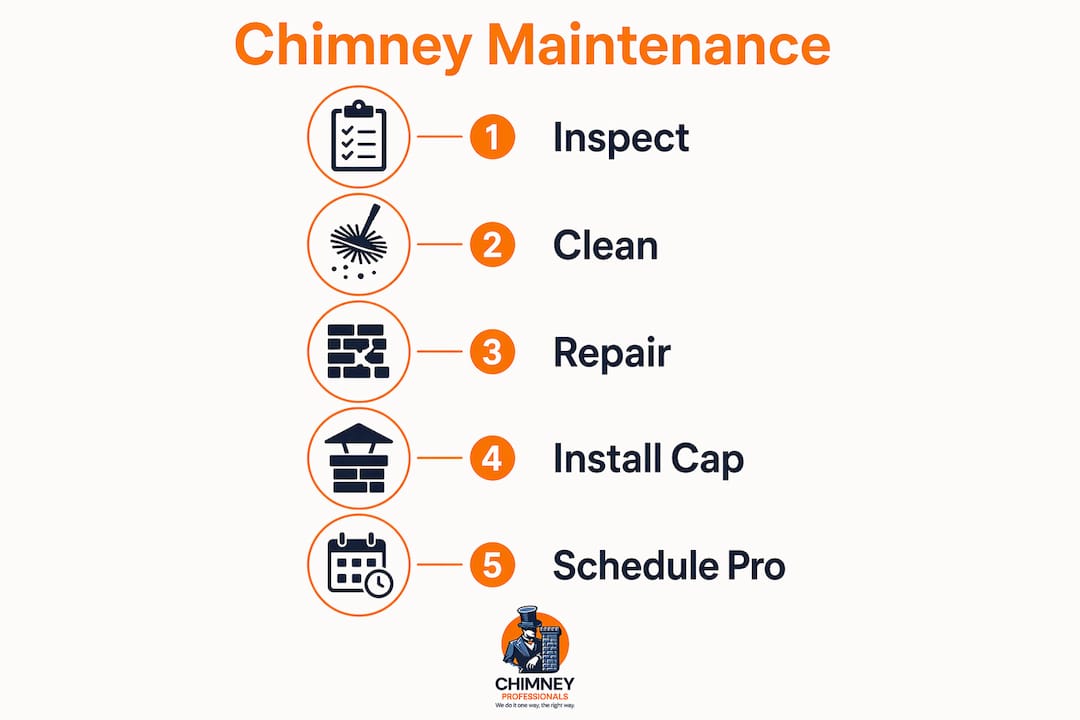
Inspection and cleaning serve different but complementary roles. Inspection diagnoses structural risks and hidden defects. Cleaning removes the physical buildup that contaminates your air. Skipping either one leaves a gap in your home's safety system.
The National Fire Protection Association (NFPA) standard NFPA 211 defines three inspection levels, and knowing which one applies to your situation saves time and money:
- Level 1: An annual visual check of all accessible components. Required regardless of how often you use your fireplace. Covers the firebox, damper, flue opening, and chimney exterior.
- Level 2: A more thorough examination that includes video scanning of the flue. Required after a property sale, a chimney fire, a change in fuel type, or any natural disaster that may have shifted the structure.
- Level 3: Reserved for suspected concealed damage. This level may involve removing portions of the chimney structure to access hidden areas.
Beyond inspection, several cleaning triggers signal that your chimney needs immediate attention:
- Creosote buildup reaching 1/8 inch thickness, the CSIA cleaning threshold for wood-burning systems
- Visible soot accumulation on the firebox walls or smoke shelf
- Animal nests or debris blocking the flue opening
- Moisture staining or a musty odor coming from the fireplace
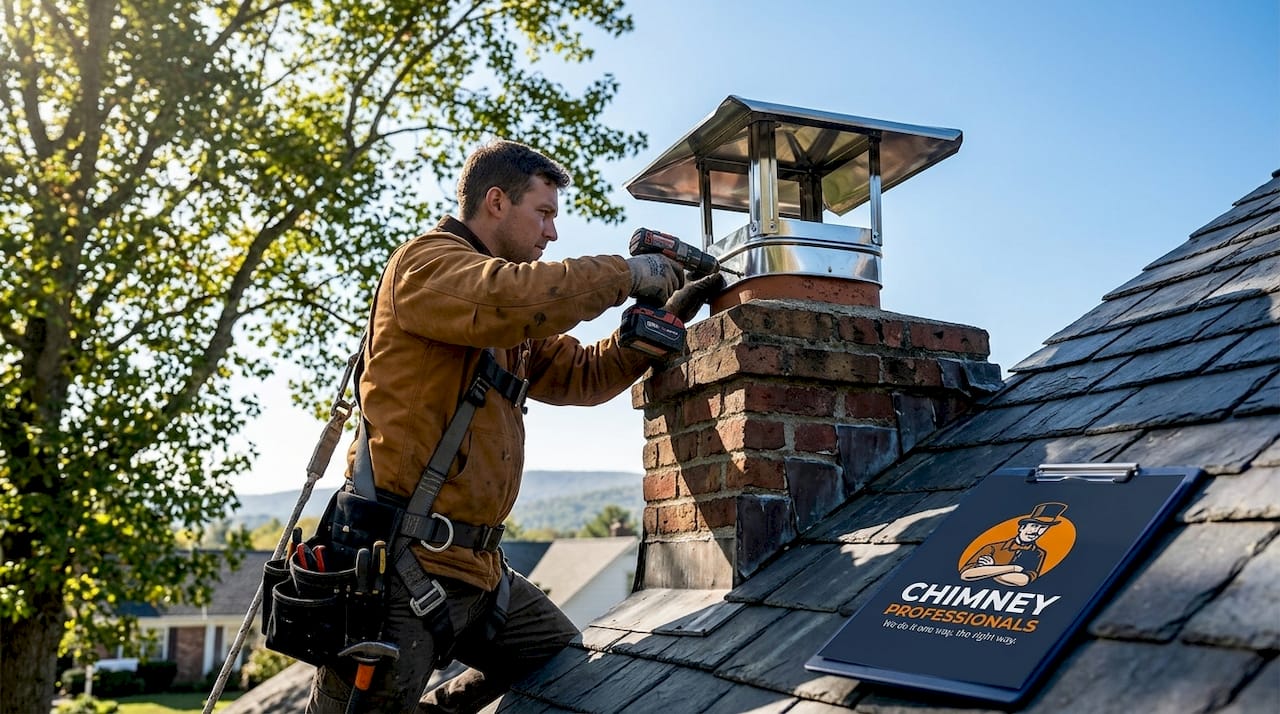
Protective maintenance measures matter just as much as cleaning. A properly fitted chimney cap blocks water, animals, and debris from entering the flue. Chimney caps prevent moisture intrusion that leads to mold growth and degraded masonry, both of which worsen indoor air quality over time. Damper checks confirm the seal closes tightly when the fireplace is not in use, preventing cold drafts and outside contaminants from entering the home.
Pro Tip: Schedule your Level 1 inspection before the first fire of the season, not after. Problems discovered in September are far easier to fix than those found in December when every certified chimney sweep in the Dallas-Fort Worth area is fully booked.
How to recognize chimney-related indoor air quality issues at home
Smoke odors and soot smells inside your home are the clearest warning signs of a chimney ventilation problem. These odors intensify when indoor air pressure drops, such as when exhaust fans run or windows seal tightly in winter. That pressure shift pulls combustion gases back down the flue and into your living space, a condition called backdrafting.
Watch for these specific warning signs:
- Smoke backing up into the room during or after a fire
- A persistent smoky or ashy smell even when the fireplace has not been used recently
- Soot stains appearing on the fireplace surround, mantel, or nearby walls
- A musty or damp odor from the firebox, which often indicates moisture or mold inside the flue
- Unexplained condensation on windows near the fireplace
The health effects of chimney smoke and soot exposure include eye irritation, throat discomfort, and respiratory aggravation. Homeowners with asthma or seasonal allergies often notice flare-ups that correlate with fireplace use, particularly when creosote or soot particles are circulating through the home's air supply. Carbon monoxide exposure from a blocked or cracked flue is the most serious risk, producing headaches, dizziness, and nausea at low concentrations.
Call a professional immediately if you notice smoke backup, detect a carbon monoxide alarm activation near your fireplace, or observe any of the structural warning signs covered in the chimney repair guide for Dallas homeowners. These are not situations where a wait-and-see approach is safe.
How often should you schedule chimney maintenance?
Timing and frequency decisions depend on your fuel type, usage intensity, and whether any triggering events have occurred. Follow this sequence to build a reliable maintenance schedule:
- Schedule a Level 1 inspection every year. The NFPA 211 standard requires annual inspection of all chimneys regardless of use frequency. Even a chimney used only a few times per season accumulates moisture damage and debris.
- Add a Level 2 inspection after any triggering event. Property sales, chimney fires, appliance changes, and storm damage all require the deeper video scan inspection before the system is used again.
- Clean based on creosote accumulation, not just the calendar. Heavy wood burners who use their fireplace multiple times per week may need cleaning two or three times in a single season. Occasional users may go a full season between cleanings, provided the 1/8-inch threshold has not been reached.
- Book your pre-season appointment in August or September. Demand for chimney cleaning services in the Dallas-Fort Worth area peaks in October and November. Early scheduling gives you access to CSIA-certified chimney sweeps before the seasonal rush.
- Inspect after any storm or seismic event. Hail, high winds, and ground movement can crack masonry, shift the flue liner, or dislodge the chimney cap without any visible exterior sign.
| Trigger | Recommended action |
|---|---|
| Annual routine use | Level 1 inspection plus cleaning if buildup threshold is met |
| Property sale or purchase | Level 2 inspection with video scan of flue |
| After a chimney fire | Level 2 inspection before any further use |
| Storm or structural event | Level 2 or Level 3 inspection depending on visible damage |
| Heavy wood burning season | Cleaning every 1 to 2 months during active use |
Pro Tip: Always hire a CSIA-certified chimney sweep. Certification from the Chimney Safety Institute of America confirms the technician has passed standardized testing on inspection protocols, cleaning methods, and safety codes. It is the single most reliable credential to verify before booking.
Step-by-step chimney maintenance checklist for homeowners
A structured maintenance routine keeps your chimney performing safely between professional visits. Here is a practical checklist organized by task type.
Preparation before any cleaning or inspection
Clear the area around the fireplace and lay down drop cloths to protect flooring and furniture from soot. Gather a flashlight, a fireplace brush, a metal ash bucket with a lid, and heat-resistant gloves. Open a window in the room to equalize air pressure before opening the damper.
Basic cleaning steps
- Remove ash and debris from the firebox using a fireplace shovel and brush. Deposit ash into a metal bucket and allow it to cool fully before disposal.
- Inspect the damper plate for warping, corrosion, or debris. A damper that does not seal completely allows outside air and contaminants to enter year-round.
- Use a chimney brush sized to your flue dimensions to scrub the lower flue section from inside the firebox. Work upward in short strokes to dislodge soot and light creosote deposits.
- Check the smoke shelf directly above the damper. This horizontal ledge collects debris, water, and animal nesting material that blocks airflow.
- Inspect the firebox walls and floor for cracks in the refractory panels. Cracks allow heat and combustion gases to migrate into the surrounding masonry.
What to leave to professionals
Glazed or third-degree creosote requires chemical treatment before mechanical removal. This type of buildup is dense, tar-like, and highly flammable. DIY removal attempts risk spreading the material and increasing fire hazard. Similarly, flue liner cracks, masonry deterioration, and chimney cap damage require professional repair tools and materials. Knowing when to schedule chimney cleaning versus when to call for a full inspection is a judgment call that protects both your safety and your budget.
Pro Tip: Never use your fireplace to burn cardboard, treated wood, or household trash. These materials accelerate creosote formation and introduce toxic compounds into your flue that standard cleaning cannot fully remove.
Troubleshooting common chimney problems that worsen air quality
Most indoor air quality chimney issues trace back to one of four root causes: creosote buildup, moisture intrusion, animal nests, or draft failure. Each requires a different response.
- Creosote glaze: Stage 3 creosote appears as a shiny, hardened coating inside the flue. It requires a chemical liquefier applied by a professional before the flue can be safely swept. Attempting to brush it off dry can cause chunks to fall and block the flue entirely.
- Moisture and mold: Water entering through a cracked crown, damaged flashing, or missing chimney cap creates conditions for mold growth inside the flue. Mold spores then circulate into the home every time the damper opens. Fixing the entry point is the only permanent solution.
- Animal nests: Bird nests commonly obstruct flues after periods of disuse and can block ventilation so severely that a single fire fills the room with smoke. Chimney sweeps regularly remove several feet of compacted nesting material from flues that have sat unused for one or two seasons.
- Draft problems: A chimney that draws poorly or reverses draft is often caused by a flue that is too short, a house that is too tightly sealed, or competing exhaust systems like range hoods and bathroom fans. Understanding residential airflow dynamics helps diagnose whether the problem originates in the chimney or the home's overall ventilation system.
- Masonry cracks and liner damage: Spalled bricks, deteriorating mortar joints, and cracked terra cotta liner tiles allow combustion gases to seep into wall cavities and living spaces. These defects are not visible without a Level 2 video inspection.
Pro Tip: If you smell a strong, acrid odor from your fireplace during humid summer months, that is almost always third-degree creosote reacting to moisture. It does not mean your chimney is on fire. It does mean you need a professional cleaning before the next fire season.
Key takeaways
Consistent chimney maintenance is the most direct action a homeowner can take to protect indoor air quality, prevent carbon monoxide exposure, and reduce fire risk year-round.
| Point | Details |
|---|---|
| Annual inspection is non-negotiable | NFPA 211 requires a Level 1 inspection every year regardless of how often you use your fireplace. |
| Clean at the 1/8-inch threshold | The CSIA recommends cleaning wood-burning chimneys when creosote reaches 1/8 inch to prevent fire and air contamination. |
| Warning signs demand fast action | Smoke backup, persistent odors, and soot stains indicate ventilation failure that affects the air quality in your home. |
| Chimney caps protect air quality | A properly installed cap blocks water, debris, and animals that cause mold growth and flue blockages. |
| Hire CSIA-certified professionals | Certified chimney sweeps follow standardized protocols that protect both your safety and your home's structural integrity. |
What we've learned from years of chimney inspections in DFW homes
After working on chimneys across the Dallas-Fort Worth Metroplex, the pattern we see most often is not dramatic structural failure. It is gradual neglect. Homeowners skip one inspection, then another, and by the time they call us the flue is coated in stage 2 creosote, the damper gasket has deteriorated, and the chimney cap is either missing or sitting at an angle after a storm.
The insight that surprises most homeowners is this: a Level 2 video scan inspection reveals defects that a standard visual check simply cannot find. We have seen flue liner cracks that were invisible from the firebox but clearly visible on camera, located six feet up the flue. Those cracks were allowing combustion gases to migrate into the wall cavity. The homeowner had been experiencing unexplained headaches for two winters. Once the liner was repaired, the symptoms stopped.
We also see homeowners treat chimney maintenance as separate from their overall home air quality strategy. That is a mistake. Chimney function is directly tied to how your home breathes. A blocked or poorly drafting chimney forces combustion byproducts to find alternative exit paths, and those paths often run through your living space. Pairing your annual chimney inspection with a review of your HVAC maintenance schedule gives you a complete picture of how air moves through your home.
Book early, hire certified professionals, and do not wait for symptoms to appear. Proactive maintenance costs a fraction of what emergency repairs and medical visits cost after a problem develops.
— chimneyprofessionalstx
Protect your Dallas home's air quality with Chimney Professional Services
Chimney Professional Services serves homeowners across the Dallas-Fort Worth Metroplex with certified inspections, professional chimney cleaning services, and structural repairs that directly improve indoor air quality. Our team handles everything from routine Level 1 inspections to complex masonry repair and rebuilds that seal the cracks allowing combustion gases into your home.
If moisture is your primary concern, our chimney leak repair service stops water intrusion at the source, preventing the mold growth and masonry deterioration that degrade air quality over time. Every job is performed by a certified chimney inspector and backed by our commitment to Texas fire safety standards. We are open daily from 8 AM to 8 PM to work around your schedule. Contact Chimney Professional Services today to book your inspection before the fire season rush.
FAQ
How does chimney maintenance improve indoor air quality?
Regular chimney maintenance removes creosote, soot, and blockages that trap combustion gases inside your home. The EPA recommends consistent upkeep of combustion appliances and chimneys to reduce exposure to carbon monoxide and other harmful pollutants.
How often should a chimney be inspected and cleaned?
A Level 1 inspection is required every year under NFPA 211 standards, regardless of how often you use your fireplace. Cleaning frequency depends on creosote accumulation, with the CSIA recommending cleaning when buildup reaches 1/8 inch thickness.
What are the symptoms of poor indoor air quality from a chimney?
Symptoms include headaches, eye irritation, throat discomfort, and respiratory flare-ups, particularly in those with asthma or allergies. Household signs include smoke backup, persistent odors, and soot stains near the fireplace opening.
When do I need a Level 2 chimney inspection?
A Level 2 inspection with video scanning is required after a chimney fire, property sale, change in fuel type, or any storm or seismic event that may have shifted the structure. It is the only inspection level that can detect hidden flue liner cracks.
Can a chimney cap really affect indoor air quality?
A properly installed chimney cap blocks water, debris, and animals from entering the flue. Without one, moisture causes mold growth and masonry deterioration, both of which introduce contaminants into your home's air supply.