
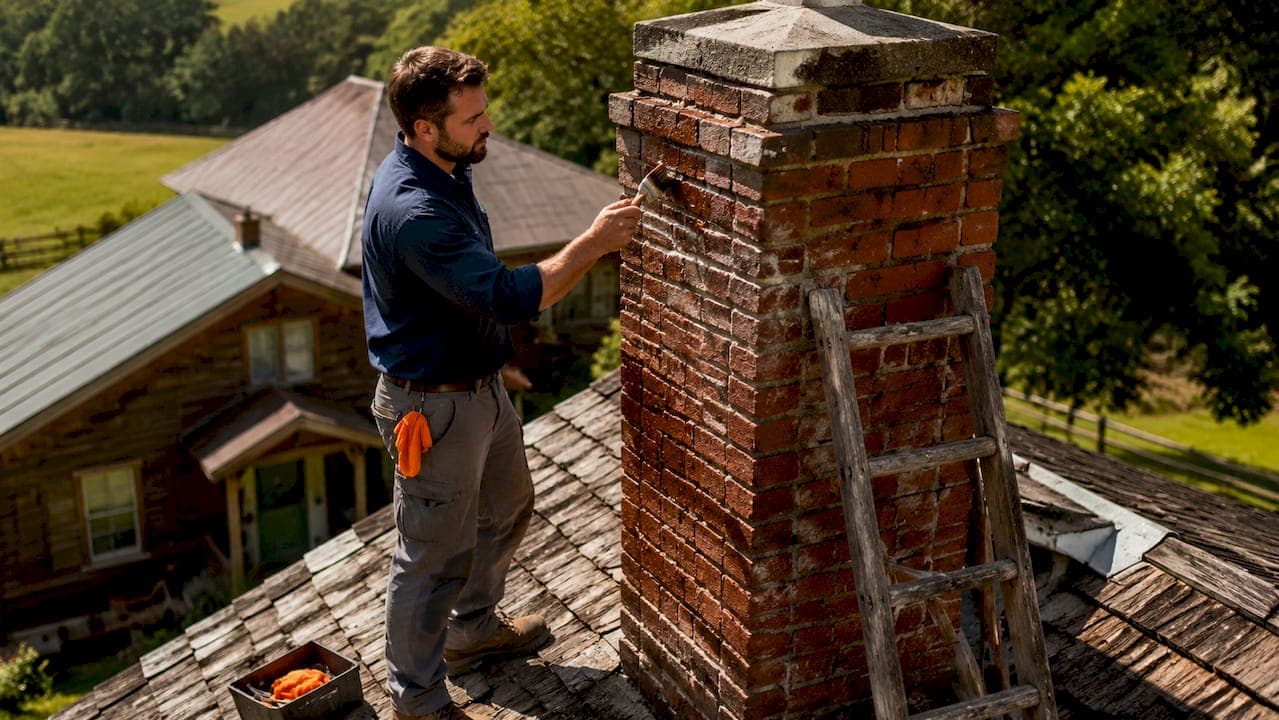
Chimney waterproofing is defined as the application of a vapor-permeable, water-repellent sealant to masonry surfaces to block liquid water entry while allowing internal moisture vapor to escape. This process protects brick, mortar, and stone from water intrusion, freeze-thaw cycles, and long-term structural decay. Without it, even a well-built chimney can deteriorate within a decade. For homeowners and property managers across the Dallas-Fort Worth area, understanding how chimney waterproofing works and when to apply it is one of the most cost-effective maintenance decisions you can make.
What is chimney waterproofing and why does it matter?
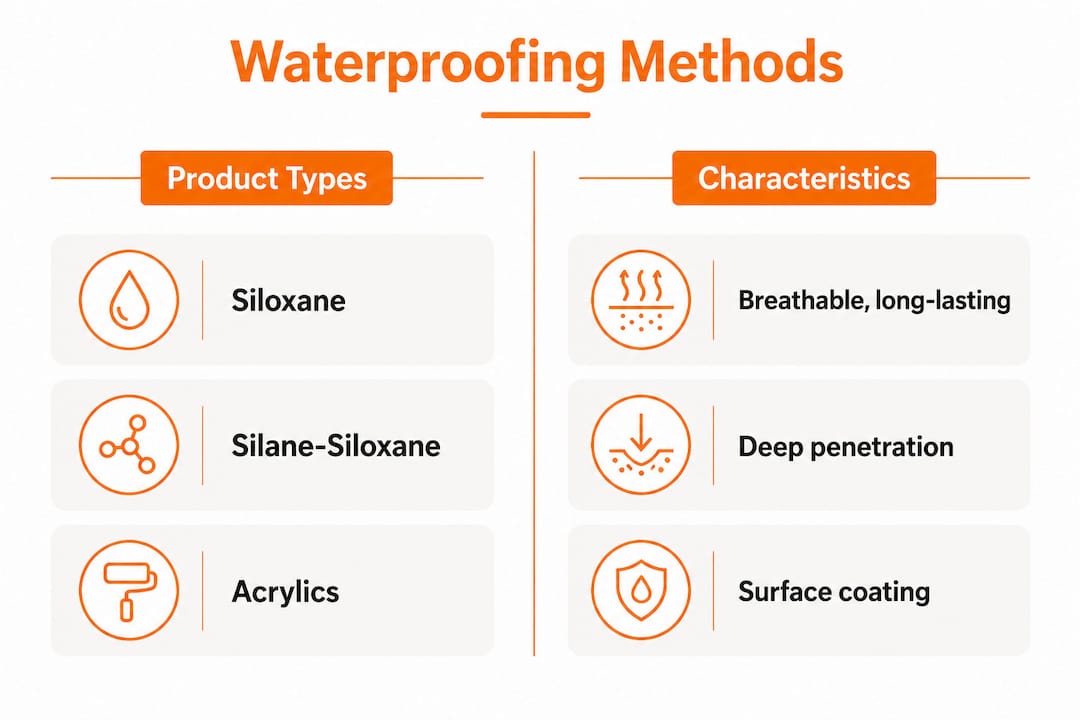
Chimney waterproofing is the process of treating masonry with a breathable, hydrophobic sealant, most commonly a siloxane or silane-siloxane blend, to repel water without sealing off vapor movement. The sealant penetrates the pores of brick and mortar, forming a chemical barrier that causes water to bead off the surface rather than absorb into the masonry. This is not a surface coating like paint. It works from within the material itself.
Water is the leading cause of chimney damage. When moisture enters masonry and then freezes, it expands and cracks the material from the inside out. This process, known as freeze-thaw cycling, repeats every winter and compounds over time. In Texas, temperature swings between cold nights and warm days create the same effect even without heavy snowfall. Masonry mortar is especially vulnerable because it is more porous than brick and absorbs water faster.
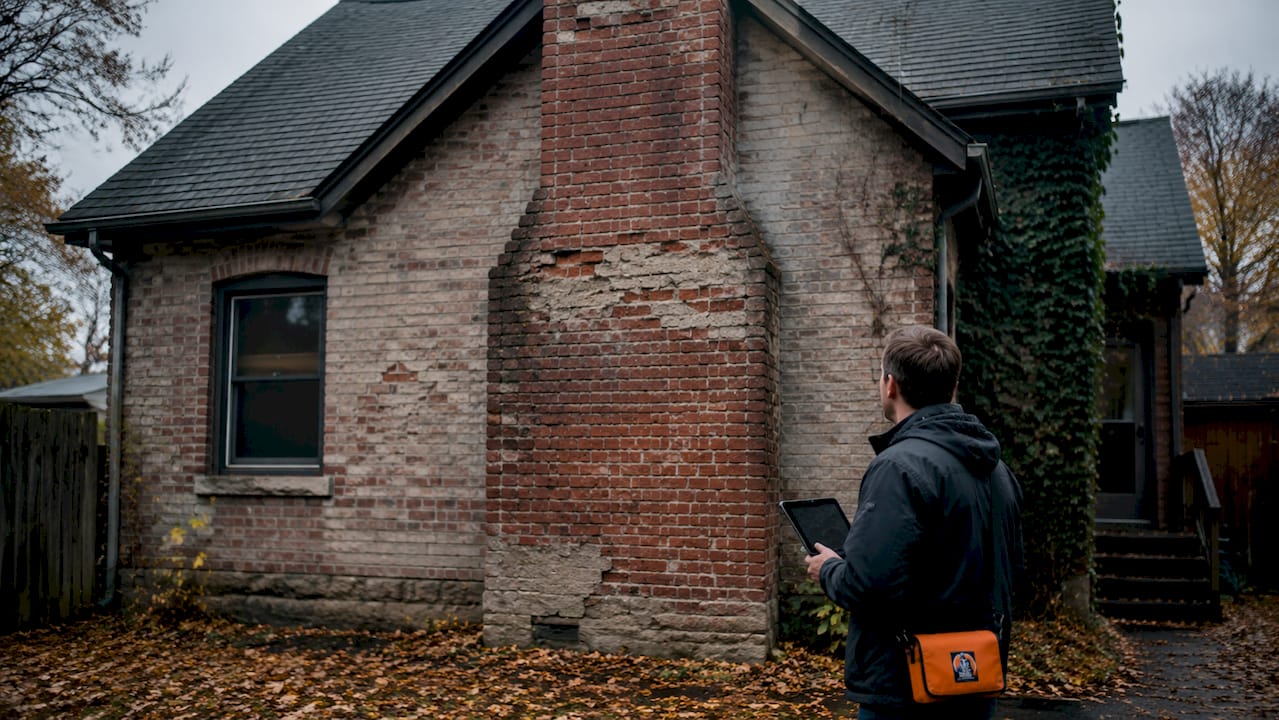
The importance of chimney waterproofing goes beyond aesthetics. A chimney that absorbs water can develop cracked crowns, deteriorating flashing, spalling bricks, and damaged clay tile liners. Each of those problems costs significantly more to repair than a waterproofing treatment applied preventatively. Chimney Professional Services recommends treating waterproofing as a scheduled maintenance task, not a reaction to visible damage.
How does chimney waterproofing work to protect your chimney?
Vapor-permeable sealants like siloxane and silane-siloxane blends penetrate masonry pores and form a hydrophobic barrier without changing the chimney's appearance. The chemistry is straightforward: siloxane molecules bond to the mineral surface of brick and mortar, repelling liquid water molecules while remaining small enough to allow water vapor to pass through. This breathability is what separates professional-grade waterproofing from a simple paint job.
Film-forming sealants, including standard acrylics and masonry paints, create a surface layer rather than penetrating the material. That layer blocks vapor movement. When moisture already present inside the masonry cannot escape, it builds up pressure during freeze cycles and accelerates spalling and cracking. Incorrect sealants cause bricks to spall due to internal moisture expansion, which is the opposite of the protection you are trying to achieve.
Breathable waterproofing lets your chimney exhale. Trapping moisture inside masonry with a film-forming sealant is like sealing a wet sponge in plastic wrap. The damage happens from within, invisibly, until it becomes structural.
Pro Tip: Never use exterior house paint or a standard masonry sealer on your chimney. These products are designed for flat walls, not for the high-heat, high-moisture environment of a flue system. Always confirm that any product you apply is rated as vapor-permeable and specifically formulated for chimney masonry.
The right product applied to the wrong surface still fails. Surface contamination from dirt, algae, or efflorescence reduces sealant absorption by up to 50%, according to DIY chimney waterproofing guidance. Cleaning and crack repair before application are not optional steps. They are the foundation of effective waterproofing.
What are the main chimney waterproofing methods and materials?
The three most widely used chimney sealing solutions are siloxane masonry sealers, spray-on waterproofing treatments, and chimney crown sealers. Each serves a specific part of the chimney system and performs best when used together as part of a coordinated approach.
Application steps for effective chimney waterproofing:
- Inspect the chimney for cracks, spalling, and mortar deterioration. Address all structural issues before applying any sealant.
- Clean the entire masonry surface with a wire brush or low-pressure wash to remove dirt, biological growth, and efflorescence.
- Repair mortar joints and crown cracks using an appropriate mortar mix or crown repair product.
- Apply the sealant from the top of the chimney downward, working in sections to maintain a wet edge and avoid lap marks.
- Allow full curing time. Sealants require temperatures above 50°F and 24–48 hours of dry weather for proper bonding.
Here is a comparison of the most common waterproofing product types:
| Product Type | Best Use | Pros | Cons | Typical Longevity |
|---|---|---|---|---|
| Siloxane masonry sealer | Full chimney exterior | Breathable, deep penetration, invisible | Requires clean surface | 10–15 years |
| Silane-siloxane blend | Older or porous brick | Flexible, excellent for aged masonry | Higher cost than basic sealers | 7–12 years |
| Crown sealer | Chimney crown only | Flexible, crack-resistant | Does not protect brick below crown | 5–10 years |
| Spray-on waterproofer (DIY grade) | Spot treatment | Affordable, easy to apply | Shorter lifespan, less penetration | 3–5 years |
DIY waterproofing can save homeowners $500–800 compared to professional application, but it requires proper product selection and surface preparation. Professional-grade siloxane sealers are not always available at retail stores and often require a licensed contractor to purchase and apply correctly. For older or historically significant masonry, professional application is the safer choice.
Why is chimney waterproofing especially important for older homes?
The role of chimney waterproofing in older homes is more critical than in new construction because historic masonry was built with softer bricks and lime-based mortars that absorb water more readily. Clay tile liners, common in chimneys built before 1980, are particularly vulnerable to moisture damage because tile joints deteriorate faster than modern stainless steel or cast-in-place liner systems.
Key considerations for waterproofing chimney masonry in older homes include:
- Mortar compatibility. Historic chimney masonry repair requires natural hydraulic lime mortar to match the flexibility of original materials. Using rigid Portland cement on soft historic brick causes the brick face to crack and spall under thermal stress.
- Breathability requirements. Older masonry holds more residual moisture than new construction. A vapor-impermeable sealant applied to an older chimney will trap that moisture and accelerate decay.
- Prioritization order. Waterproofing is one of the highest-leverage steps for older homes and should be prioritized over cosmetic repairs. A fresh-looking chimney with unprotected masonry will deteriorate faster than a weathered one that has been properly sealed.
- Cap and crown condition. Older chimneys often have cracked or missing crowns and deteriorated caps. These must be repaired before waterproofing, or water will continue entering from the top regardless of how well the sides are sealed.
Pro Tip: If you own a home built before 1960, have a certified chimney inspector assess the mortar type before any waterproofing work begins. Applying the wrong sealant or repair mortar to soft historic brick can cause more damage in two winters than decades of neglect.
You can learn more about the costs and scope of older home chimney repairs before scheduling a waterproofing service. Understanding what repairs may be needed first helps you budget accurately and avoid surprises.
How often should chimney waterproofing be inspected and reapplied?
Waterproofing treatments should be reapplied every 5–7 years on most chimneys, though professional-grade siloxane sealers can last up to 15 years in mild climates. The actual lifespan depends on climate exposure, the porosity of the original masonry, and the quality of the initial application. In North Texas, where temperature swings are common and spring storms bring heavy rain, the lower end of that range is more realistic.
Signs that your chimney needs inspection or reapplication include:
- Water stains on the interior walls or ceiling near the fireplace
- White chalky deposits (efflorescence) on the exterior brick face
- Visible cracks in the mortar joints or chimney crown
- Spalling or flaking brick surfaces
- A musty odor from the firebox after rain
Annual chimney inspections are the most reliable way to catch waterproofing degradation before it becomes structural damage. Regular chimney inspections allow a certified inspector to assess sealant condition, mortar health, and flashing integrity in a single visit. Catching a failing sealant early costs far less than repairing spalled brick or replacing a cracked crown.
The best time to apply or reapply waterproofing is spring through early fall. Sealants cure properly only when temperatures stay above 50°F and no rain is forecast for at least 48 hours. Scheduling waterproofing work in October or November in Texas is still viable, but waiting until a cold front arrives can delay curing and reduce effectiveness.
What are common mistakes homeowners make with chimney waterproofing?
The most damaging mistake homeowners make is treating chimney waterproofing as a cosmetic fix rather than a structural maintenance task. That mindset leads to the wrong products, the wrong timing, and skipped preparation steps.
The four most common errors:
- Painting the chimney. Painting a functioning chimney traps moisture inside and accelerates structural decay. Paint is a film-forming product. It blocks vapor movement and causes the exact damage waterproofing is meant to prevent.
- Skipping structural repairs. Waterproofing is a preventative measure, not a repair for existing damage. Applying sealant over cracked mortar or a broken crown does not fix those problems. It seals them in and hides them from view while they continue to worsen.
- Ignoring the full system. Coordinating waterproofing with cap, crown, and flashing repair creates a more effective, integrated water protection system. Sealing the brick while leaving a cracked crown unrepaired means water still enters from the top.
- Using retail-grade products on aged masonry. Consumer waterproofing sprays sold at hardware stores are formulated for general masonry, not for the thermal and moisture demands of a chimney. They degrade faster and may not penetrate deeply enough to protect older, more porous brick.
Waterproofing should be invisible and breathable, not a surface coating. If you can see it, it is probably the wrong product.
Key takeaways
Chimney waterproofing requires a vapor-permeable siloxane sealant applied to clean, structurally sound masonry to block water intrusion while allowing moisture vapor to escape and prevent long-term structural damage.
| Point | Details |
|---|---|
| Use breathable sealants only | Siloxane or silane-siloxane products penetrate masonry and allow vapor escape, preventing spalling. |
| Prepare the surface first | Clean and repair all cracks before applying sealant; dirty surfaces reduce absorption by up to 50%. |
| Reapply every 5–7 years | Climate and masonry porosity affect lifespan; inspect annually to catch degradation early. |
| Older homes need special care | Historic masonry requires natural hydraulic lime mortar repairs and breathable sealants to avoid brick failure. |
| Waterproofing is preventative | Apply only after confirming structural soundness; it does not fix existing cracks or crown damage. |
What we have learned after years of chimney waterproofing in DFW
The single most common mistake we see from homeowners across the Dallas-Fort Worth area is waiting until there is a visible leak before thinking about waterproofing. By that point, the masonry has already absorbed years of moisture. The damage is internal, and the repair bill reflects it.
Waterproofing done correctly is one of the quietest investments a homeowner can make. You will not notice it working. That is the point. What you will notice is that your chimney looks the same five years from now as it does today, and your inspector has nothing urgent to report.
We have also seen the consequences of well-intentioned DIY work using the wrong products. A homeowner who paints their chimney thinking they are protecting it has actually created a moisture trap. We spend more time undoing that kind of damage than we do on chimneys that were simply never treated at all.
Our recommendation is straightforward: schedule a professional inspection, confirm the masonry is structurally sound, and apply a professional-grade siloxane sealer as part of your annual chimney service. Do it on a schedule, not in response to a problem. That approach extends chimney life, protects your home, and keeps repair costs predictable.
— chimneyprofessionalservices
Protect your chimney with expert waterproofing services in DFW
Chimney Professional Services provides professional chimney waterproofing and masonry repair across the Dallas-Fort Worth Metroplex, with certified inspectors guiding every job.
If your chimney shows signs of water damage, spalling brick, or deteriorating mortar, our team can assess the full scope of repairs needed before any sealant is applied. We specialize in chimney masonry repair Dallas TX, including tuckpointing and rebuilds that prepare your chimney for long-lasting waterproofing protection. For active leaks, our chimney leak repair service stops water damage fast and restores structural integrity. We are open daily from 8 AM to 8 PM. Contact Chimney Professional Services today to book your inspection and waterproofing assessment.
FAQ
What is chimney waterproofing in simple terms?
Chimney waterproofing is the application of a breathable, water-repellent sealant to masonry surfaces that blocks liquid water from entering while allowing moisture vapor to escape. It protects brick and mortar from freeze-thaw damage and long-term structural decay.
How long does chimney waterproofing last?
Professional-grade siloxane sealers last 10–15 years in mild climates, while most treatments should be reapplied every 5–7 years depending on weather exposure and masonry porosity.
Can i waterproof my chimney myself?
DIY waterproofing is possible and can save $500–800, but it requires proper surface cleaning, crack repair, and the use of a silane-siloxane sealer rated for chimney masonry. For older or historic chimneys, professional application is strongly recommended.
Does chimney waterproofing fix existing leaks?
No. Waterproofing is a preventative treatment applied to structurally sound masonry. Existing cracks, damaged crowns, and failing flashing must be repaired before any sealant is applied.
How do i know if my chimney needs waterproofing?
Signs include water stains near the fireplace, white efflorescence on exterior brick, spalling or flaking surfaces, cracked mortar joints, and musty odors after rain. An annual inspection by a certified chimney professional confirms whether reapplication is needed.