
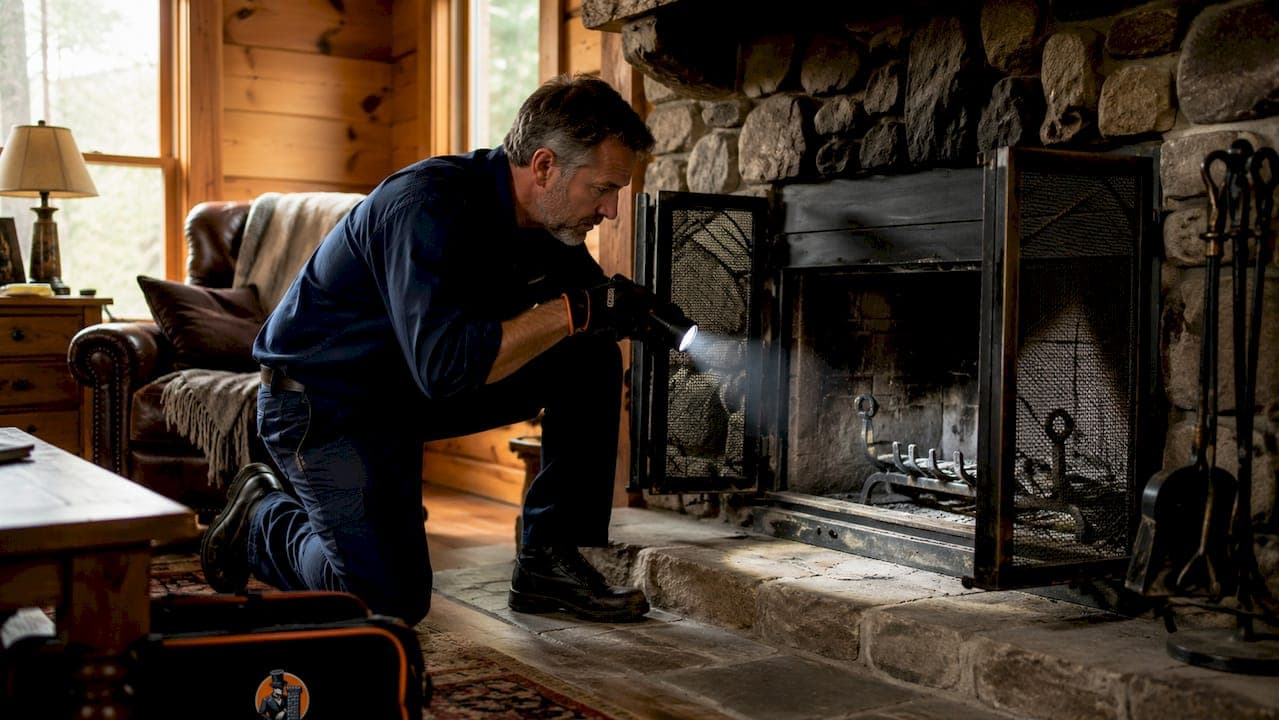
Fireplace hazards in common households are defined as structural, chemical, and behavioral risks that turn a home heating source into a potential cause of fire, toxic exposure, or structural damage. The most serious risks include creosote buildup, carbon monoxide poisoning, cracked fireboxes, and escaped embers. The Red Cross and the Chimney Safety Institute of America (CSIA) both identify neglected chimney maintenance as the leading preventable cause of residential chimney fires. Understanding these risks is the first step toward protecting your home and family before fire season begins.
1. What are the most common fireplace hazards in households?
Common fireplace hazards include creosote buildup, cracked fireboxes, blocked flues, and improper fuel use. Each one raises fire risk and degrades indoor air quality in ways that are not always visible until serious damage has occurred. Here is a breakdown of the top risks every homeowner should know:
- Creosote buildup: A flammable tar-like residue that coats the inside of the chimney flue with every fire you burn.
- Cracked firebox or chimney liner: Fractures allow heat and flames to reach combustible materials inside your walls.
- Blocked or damaged chimney flue: A restricted flue traps smoke and carbon monoxide inside your living space.
- Carbon monoxide from incomplete combustion: Invisible and odorless, CO builds up when the fire does not burn cleanly.
- Wet or unseasoned firewood: Green wood produces excess smoke and accelerates creosote formation.
- Missing or improperly sized fireplace screens: Without a screen, embers can land on carpets, rugs, or furniture.
- Neglected annual inspections: Skipping professional service allows small problems to grow into structural failures.
- Unsafe ash disposal: Embers remain hot for hours after a fire appears out, making ash a secondary fire hazard.
- Burning prohibited materials: Cardboard, painted wood, and household garbage create unpredictable flames and toxic fumes.
- Leaving fires unattended: An unsupervised fire, especially overnight, is one of the fastest ways a contained fire becomes a house fire.
Pro Tip: Never burn gift wrap, cardboard boxes, or treated lumber in your fireplace. These materials burn hotter and faster than seasoned wood, and they release chemical compounds that damage your chimney liner.
2. How does creosote buildup develop and why is it dangerous?
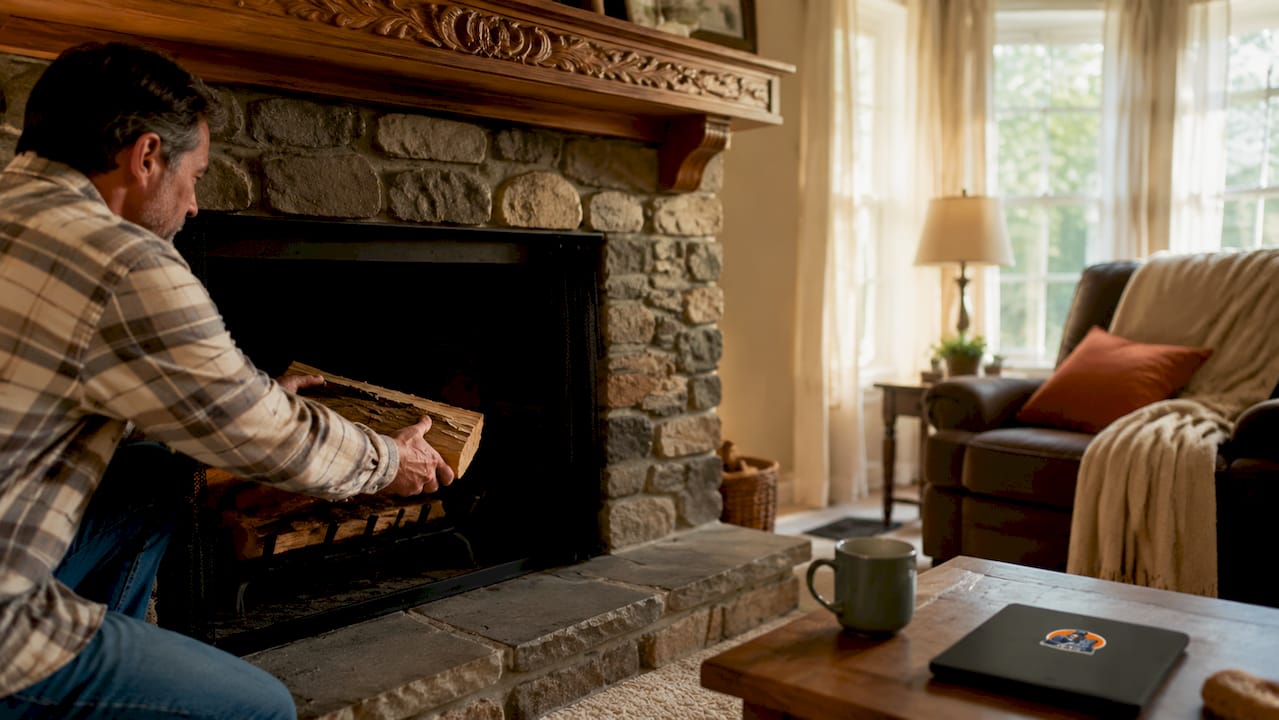
Creosote is a byproduct of burning wood, and it forms every time combustion gases cool inside the flue before fully exiting the chimney. Moisture speeds up the process significantly. Burning wet or unseasoned wood produces far more smoke, and that smoke carries more unburned particles that stick to the flue walls as creosote.
The warning signs are easy to miss. A strong campfire smell coming from your fireplace when it is not in use is one of the clearest indicators of heavy creosote deposits. Many homeowners overlook early warning signs of chimney issues like this smell or unusual sounds, missing critical chances to prevent fires before they start.
Here is why creosote becomes life-threatening:
- Stage 1 creosote is a light, flaky deposit that is relatively easy to brush away during a standard chimney sweep.
- Stage 2 creosote is a harder, tar-like coating that requires more aggressive removal methods.
- Stage 3 creosote is a thick, glazed layer that is extremely difficult to remove and highly combustible.
Slow-burning chimney fires inside the flue can reach temperatures above 2,000°F without producing visible flames outside the chimney. That extreme heat melts mortar, cracks flue tiles, and creates pathways for fire to reach your home's wood framing. These fires often go completely undetected until a professional inspection reveals the damage.
Properly seasoned firewood should be dried for at least 6–12 months before burning. Using well-dried wood is the single most effective way to slow creosote accumulation between professional cleanings.
For detailed guidance on removal, our creosote removal guide covers what to expect from a professional cleaning at each stage.
3. Why carbon monoxide is a silent fireplace hazard
Carbon monoxide is the most dangerous hidden hazard from fireplaces because it is invisible and completely odorless, making it impossible to detect without a dedicated device. CO forms when wood does not burn completely, a condition that worsens when the flue is blocked or not fully open.
Symptoms of CO exposure include headaches, dizziness, nausea, and confusion. These symptoms are easy to dismiss as fatigue or illness, especially during sleep when exposure goes unnoticed the longest. Smoke backup and CO buildup both occur most often when the flue is not fully opened before lighting a fire or when debris blocks the chimney.
Protecting your household requires a layered approach:
- Install a CO detector on every floor of your home, including the basement.
- Test each detector monthly and replace batteries at least once per year.
- Replace CO detectors every 5–7 years, as sensors degrade over time.
- Have a certified chimney professional inspect your flue annually to confirm it is clear and properly venting.
Pro Tip: Place a CO detector within 10 feet of every sleeping area. CO poisoning is most dangerous at night when your family is asleep and unable to notice early symptoms.
A properly vented fireplace maintains a stable draft that prevents smoke backflow and CO buildup inside the home. If your draft feels weak or smoke enters the room when you light a fire, call a professional before using the fireplace again. Our guide on indoor air quality and chimney maintenance explains how chimney condition directly affects the air your family breathes.
4. Essential fireplace safety practices every homeowner should follow
Preventing fireplace fires is not complicated, but it does require consistency. The following practices address the most common household fire hazards and reduce your risk across every fire season.
Annual inspections and cleanings
Annual professional chimney inspection and cleaning prevents dangerous creosote accumulation and catches structural damage before it becomes a fire pathway. Certified chimney sweeps from organizations like the CSIA are trained to identify hazards that are invisible to the untrained eye. Scheduling this service every year is the most cost-effective fireplace safety measure available to homeowners.
Proper fuel and fire management
Only burn dry, seasoned hardwoods like oak, hickory, or ash. Burning prohibited materials such as cardboard, painted wood, or household garbage increases fire unpredictability and releases toxic fumes that damage your chimney components. The U.S. EPA confirms that strict adherence to fuel guidelines dramatically reduces fire hazards and indoor air pollution from wood-burning appliances.
Screens, supervision, and ash disposal
| Safety Practice | Why It Matters |
|---|---|
| Metal or glass fireplace screen | Contains embers that can ignite carpets or furniture |
| Never leave fire unattended | Unattended fires can escalate to house fires within minutes |
| Wait 24 hours before ash removal | Embers stay hot long after the fire appears out |
| Store ash in a metal container | Prevents secondary ignition from residual heat |
| Open flue fully before lighting | Prevents smoke and CO from entering living areas |
Pro Tip: Keep a metal ash bucket with a tight-fitting lid next to your fireplace. Never use plastic bags or cardboard boxes for ash disposal, even when the fire has been out for hours.
Detector placement and maintenance
Install interconnected smoke and CO detectors so that when one alarm triggers, all alarms in the home sound simultaneously. Test every detector monthly. Replace smoke detectors every 10 years and CO detectors every 5–7 years. This layered detection system gives your family the maximum warning time to exit safely.
For a complete maintenance schedule, our fireplace maintenance checklist outlines exactly how often each component needs attention based on how frequently you use your fireplace.
Key takeaways
Preventing fireplace hazards in common households requires annual professional inspections, properly seasoned firewood, functioning CO detectors, and consistent fire supervision.
| Point | Details |
|---|---|
| Creosote is the top structural risk | Schedule annual chimney cleaning to remove buildup before it reaches dangerous stages. |
| CO detectors are non-negotiable | Install one on every floor and test monthly to catch invisible carbon monoxide leaks. |
| Seasoned wood reduces hazards | Dry firewood for 6–12 months to cut smoke output and slow creosote formation. |
| Never leave a fire unsupervised | Unattended fires and missing screens are leading causes of preventable home fires. |
| Annual inspections catch hidden damage | Certified chimney sweeps identify cracked liners and blocked flues before they cause fires. |
What we have learned from years of inspecting Dallas-Fort Worth chimneys
After inspecting hundreds of chimneys across the Dallas-Fort Worth Metroplex, our team at Chimney Professional Services has seen the same pattern repeat itself. Homeowners assume that because a fire looks normal, the chimney is fine. That assumption is the most dangerous one in home fire safety.
The hazards that cause the most damage are the ones you cannot see. Slow chimney fires burn quietly inside the flue for hours, cracking tiles and melting mortar without a single visible flame. By the time a homeowner notices a problem, the structural damage is already done. We have walked into homes where the chimney looked perfectly clean from the living room but showed severe liner damage the moment we put a camera inside.
We also see homeowners skip inspections for three or four years because nothing went wrong. That logic works until it does not. Creosote does not announce itself. A blocked flue does not send a warning. The only way to know your fireplace is safe is to have a certified professional confirm it every single year.
The good news is that well-maintained fireplaces are safe and valuable assets when you combine good wood, regular professional service, and sound habits. Prevention costs a fraction of what repairs cost after a chimney fire. We have never met a homeowner who regretted scheduling an inspection. We have met plenty who wished they had done it sooner.
— chimneyprofessionalservices
Protect your home with expert fireplace and chimney services
Chimney Professional Services provides certified chimney inspections, professional cleanings, and complete fireplace repair in Dallas TX for homeowners across the Dallas-Fort Worth Metroplex. Our team addresses every hazard covered in this guide, from creosote removal and cracked firebox repair to flue clearing and CO risk assessment. We also handle chimney masonry repair for structural damage that creates fire pathways inside your walls. Every job is completed by a certified chimney inspector who ensures your home meets Texas fire safety codes. We are open daily from 8 AM to 8 PM. Contact Chimney Professional Services today to schedule your inspection and protect your family before fire season.
FAQ
What is the most dangerous fireplace hazard in a home?
Creosote buildup is the leading structural hazard, but carbon monoxide is the most immediately life-threatening because it is odorless and invisible. Both require annual professional inspection to detect and address.
How often should a chimney be inspected?
The CSIA recommends a professional chimney inspection every year, regardless of how often you use your fireplace. Annual service catches creosote buildup, cracked liners, and blocked flues before they cause fires.
Can I burn any wood in my fireplace?
Only dry, seasoned hardwood should be burned in a wood-burning fireplace. Wet wood, treated lumber, cardboard, and household garbage increase creosote formation and release toxic fumes that damage chimney components.
Where should I place carbon monoxide detectors?
Install a CO detector on every floor of your home, including the basement, and place one within 10 feet of every sleeping area. Test each detector monthly and replace them every 5–7 years.
What are the warning signs of a chimney fire?
A strong campfire smell from your fireplace when it is not in use, a loud cracking or popping sound from the chimney, or visible smoke coming from the chimney exterior are all warning signs. Many chimney fires burn slowly and silently, so annual inspections remain the most reliable detection method.